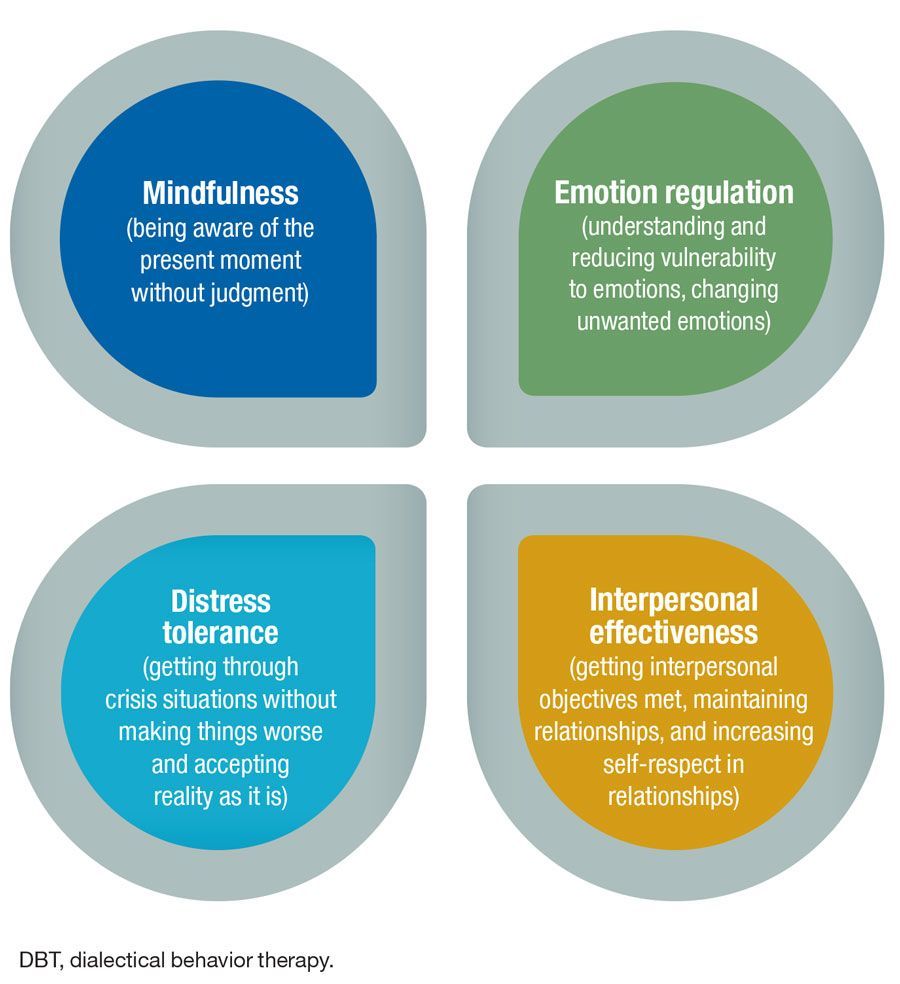
ADHD, Impulsivity, and DBT: Creating a Pause Before Acting
Impulsivity is one of the most commonly recognised features of ADHD, but it is also one of the most misunderstood. From the outside, impulsive behaviour may be seen as careless, rude, immature, selfish, lazy, reckless, or irresponsible. These labels can be painful, particularly for people who are already trying hard to manage their attention, emotions, relationships, responsibilities, and daily life.
For many people with ADHD, impulsivity is not simply a matter of “not thinking”. It is often a difficulty with creating enough space between an internal experience and an external action. A thought, emotion, urge, frustration, idea, desire, or discomfort can move very quickly into behaviour. The person may interrupt, send the message, agree too quickly, quit the task, make the purchase, raise their voice, avoid the demand, overshare, change plans, or act on a strong feeling before they have had time to fully consider the consequences.
Afterwards, they may feel regret, shame, confusion, or frustration with themselves. They may ask, “Why did I do that again?” or “Why can’t I just stop and think?” This cycle can become exhausting. Impulsivity can affect relationships, work, study, finances, parenting, health, therapy attendance, substance use, and self-esteem.
At Wise-Mind DBT Brisbane, we often work with people who experience ADHD-related impulsivity alongside emotional dysregulation, rejection sensitivity, shame, trauma histories, autism, BPD, or Complex PTSD. DBT can be helpful because it does not rely on shame or willpower alone. Instead, it teaches practical skills for slowing down the chain between feeling and action, noticing urges, regulating the body, and making choices from Wise Mind.
What Impulsivity Can Look Like in ADHD
Impulsivity in ADHD can appear in many different ways. Some forms are visible to others, such as interrupting, speaking quickly, changing topics, making sudden decisions, driving impatiently, or acting before receiving all the information. Other forms are less visible, such as impulsive avoidance, emotional shutdown, online spending, substance use, bingeing, scrolling, reassurance-seeking, or rapidly agreeing to something because saying no feels too uncomfortable.
Impulsivity can also show up in relationships. A person may send multiple messages when anxious, respond defensively before understanding what the other person meant, disclose something personal before feeling ready, make promises in the moment and then struggle to follow through, or end a conversation abruptly when overwhelmed. In therapy, impulsivity may appear as cancelling sessions when ashamed, avoiding homework because it feels too hard to start, or deciding that treatment is not working during a moment of frustration.
This does not mean the person lacks care or values. Many people with ADHD care deeply about their relationships and responsibilities. The difficulty is that the action can happen before the person has had enough time to connect with those values. DBT aims to strengthen that space.
Impulsivity Is Often About Regulation
Impulsivity is often framed as a behavioural problem, but it is closely connected to regulation. ADHD affects executive functioning, which includes planning, inhibition, working memory, prioritising, time awareness, task initiation, and the ability to hold long-term goals in mind during moments of emotion or stimulation.
When executive functioning is under strain, the immediate urge can become much more powerful than the future consequence. This is especially true when the person is tired, hungry, overstimulated, bored, anxious, ashamed, rejected, criticised, or overwhelmed. In those moments, the nervous system may seek fast relief or fast stimulation.
For example, an impulsive purchase may provide a burst of reward and relief from boredom or sadness. An angry text may reduce the discomfort of waiting and uncertainty. Avoiding an appointment may provide immediate relief from shame or overwhelm. Interrupting may happen because the thought feels urgent and may disappear if not expressed quickly. Saying yes may reduce the discomfort of disappointing someone in the moment, even if it creates resentment or stress later.
These behaviours are not random. They often solve something in the short term. The problem is that short-term relief can create long-term consequences. DBT helps people understand this chain without moralising it.
The Speed of ADHD Emotions and Urges
Many people with ADHD experience emotions quickly and intensely. Frustration may rise rapidly when something does not work. Shame may flood the body after a mistake. Rejection sensitivity may turn a brief delay in communication into a strong sense of being unwanted. Excitement may become so compelling that practical considerations disappear. Boredom may feel physically uncomfortable, creating an urgent need for stimulation.
When emotions move quickly, urges often move quickly too. The person may not experience a clear gap between feeling and doing. They may only recognise what happened after the behaviour has occurred. This can lead to shame, and shame can then increase impulsivity because the person seeks relief from feeling defective or out of control.
The DBT approach is to slow the process down. Not by demanding perfect self-control, but by helping the person notice earlier cues, reduce vulnerability, and practise specific pause skills before the urge becomes behaviour.
Shame Makes Impulsivity Worse
Many people with ADHD have a long history of being corrected, criticised, punished, or misunderstood. They may have been told they are not trying, not listening, careless, disruptive, unreliable, too much, or wasting their potential. Over time, these messages can become internalised.
When impulsivity leads to consequences, shame often follows. The person may replay what they said or did, criticise themselves harshly, withdraw from others, avoid responsibility, or promise themselves they will never do it again. While accountability is important, shame rarely creates lasting change. In fact, shame can make impulsivity worse.
When a person feels ashamed, their nervous system becomes more activated. They may seek immediate relief through avoidance, defensiveness, reassurance-seeking, substance use, over-apologising, distraction, or giving up. This can create another impulsive behaviour, followed by more shame.
DBT interrupts this cycle by holding two truths at once: the behaviour may need to change, and the person does not need to be shamed in order to change it. Compassion and accountability can exist together.
The DBT Skill of Creating a Pause
A central DBT task for ADHD-related impulsivity is creating a pause before acting. This pause does not need to be long. Sometimes ten seconds is enough to change the outcome of a conversation. Sometimes putting the phone down for five minutes is enough to prevent an impulsive message. Sometimes delaying a purchase for twenty-four hours is enough for Wise Mind to return.
The pause is not passive. It is an active skill. It allows the person to notice what is happening, identify the urge, consider the likely consequences, and choose a response that is more aligned with their goals.
For people with ADHD, the pause may need to be externalised. This means relying less on memory and willpower, and more on visible reminders, routines, scripts, environmental supports, timers, notes, app limits, accountability, and structured plans. DBT works best for ADHD when it becomes concrete and practical.
Using STOP to Interrupt Impulsive Action
The STOP skill is one of the most useful DBT skills for impulsivity. It gives the person a simple sequence to follow when the urge to act is strong.
Stopping means interrupting the automatic behaviour before it continues. This might involve not pressing send, not continuing the argument, not clicking purchase, not walking out, not agreeing immediately, or not acting on the first emotional impulse. The aim is to prevent momentum from taking over.
Taking a step back means creating distance from the trigger. This can be physical, such as leaving the room briefly or putting the phone in another space. It can also be psychological, such as reminding yourself that you do not have to respond immediately. For ADHD, physical distance can be especially useful because the environment strongly influences behaviour.
Observing means noticing what is happening inside and outside. The person might observe that they are tired, feeling criticised, craving stimulation, ashamed, angry, bored, or afraid of rejection. They might also observe the urge: “I want to send a message right now because waiting feels unbearable.” Naming the urge reduces the likelihood that it will operate invisibly.
Proceeding mindfully means choosing the next step based on goals rather than urgency alone. This does not mean the person must choose the perfect response. It means they make a more deliberate choice than the first impulse.
STOP is simple, but it becomes powerful through repetition. It is often best practised during lower-stakes moments first, so it is easier to access during emotional intensity.
Wise Mind and ADHD Decision-Making
Wise Mind is the DBT skill of integrating emotion and reason. This is particularly important for ADHD because impulsivity often happens when the immediate feeling becomes louder than the longer-term goal.
Emotion Mind might say, “I need to reply right now,” “I cannot tolerate this task,” “I need to buy this,” “I hate this job,” or “I should cancel because I feel ashamed.” Reasonable Mind might respond harshly with, “You are being ridiculous,” “Just be disciplined,” or “There is no reason to feel this way.” Neither extreme is usually helpful.
Wise Mind makes room for both. It might recognise that the feeling is real, while also considering what action will be effective. Wise Mind might say, “I feel urgent and rejected, and I can wait before replying.” It might say, “This task feels unbearable, and I can do the first two minutes.” It might say, “I want the dopamine of buying this, and I can put it in the cart and decide tomorrow.” It might say, “I feel ashamed about the appointment, and attending may help more than avoiding.”
Wise Mind is not always calm. It is not always comfortable. It is the part of the person that can remember what matters while emotions are still present.
Urge Surfing: Letting the Urge Rise and Fall
Urge surfing is a helpful way to understand impulses. An urge can feel like it will keep intensifying forever unless acted upon. In reality, urges usually rise, peak, and fall. They may return, but they often change if given time.
For people with ADHD, urges can be especially uncomfortable because waiting may feel physically agitating. The person may feel restless, tense, irritated, or unable to focus until they act. Urge surfing involves noticing the urge as a body-based experience, naming it, and allowing it to move without immediately obeying it.
This might involve saying internally, “This is an urge to send the message,” or “This is an urge to escape the task.” The person can then observe where the urge is felt in the body, how strong it is, what it is asking them to do, and whether the intensity changes over a few minutes.
Urge surfing does not mean the person never acts. It means they do not act automatically. After the urge settles, they may still decide to respond, speak, buy, leave, or change something, but the action is more likely to come from Wise Mind rather than urgency.
Checking the Facts Before Reacting
Impulsivity often follows a fast interpretation. Someone does not reply, and the mind says they are upset. A supervisor gives feedback, and the mind says failure is certain. A task feels hard, and the mind says it is impossible. A partner looks tired, and the mind says the relationship is in danger.
Checking the facts helps slow this process. It asks whether the interpretation is supported by evidence, whether there are other possible explanations, and whether the intensity of the emotion fits the present situation.
This skill is especially relevant for rejection sensitivity. ADHD can make perceived rejection feel immediate and intense. A person may act quickly to reduce that pain, perhaps by seeking reassurance, withdrawing, becoming defensive, or sending repeated messages. Checking the facts does not invalidate the pain. It simply creates room for the possibility that the first interpretation may not be the full truth.
A useful approach is to delay action until at least one alternative explanation has been considered. The aim is not to talk oneself out of all feelings. The aim is to prevent one painful interpretation from becoming the basis for impulsive behaviour.
Problem-Solving Versus Impulsive Escape
People with ADHD often avoid tasks not because they do not care, but because the task creates emotional discomfort. The task may feel boring, confusing, too large, shame-filled, or impossible to start. Avoidance then provides immediate relief. The difficulty is that relief is temporary, and the task often becomes more stressful later.
DBT helps distinguish between escaping and problem-solving. Escaping is usually driven by the need to reduce discomfort immediately. Problem-solving asks what specific obstacle is present and what practical step would reduce it.
If the task is too large, the solution may be to define the first tiny step. If the task is unclear, the solution may be to ask for clarification. If the task is boring, the solution may be to add stimulation, body doubling, or a timer. If the task triggers shame, the solution may be self-validation and reducing the expectation of doing it perfectly. If the task genuinely does not fit capacity, the solution may be renegotiating expectations.
This is important because people with ADHD are often told to “just do it”. A DBT-informed approach is more precise. It asks what is getting in the way and what skill or support fits that barrier.
Reducing Vulnerability to Impulsive Behaviour
Impulsivity becomes harder to manage when the person is vulnerable. DBT emotion regulation includes reducing vulnerability through attention to physical and emotional foundations. For ADHD, this is essential.
Sleep is one of the most significant factors. Poor sleep can increase emotional reactivity, reduce inhibition, worsen concentration, and make immediate rewards more appealing. Eating regularly also matters. Hunger can intensify irritability, anxiety, and impulsive decision-making. Medication, where prescribed, can be part of a broader support plan. Movement can help regulate restlessness and improve mood. Reducing alcohol and other substances can also be important, particularly when substances increase disinhibition or emotional volatility.
For ADHD, reducing vulnerability also means managing stimulation. Understimulation can increase impulsive seeking of novelty, spending, scrolling, conflict, or risk. Overstimulation can increase irritability, shutdown, and reactive behaviour. Effective regulation often requires finding the right level of stimulation for the person’s nervous system.
Environmental design is also part of reducing vulnerability. Keeping tempting apps off the home screen, using spending limits, storing substances away from the home, creating visual reminders, using timers, having written plans, and reducing clutter can all support less impulsive behaviour. These are not signs of failure. They are effective supports for executive functioning.
Interpersonal Impulsivity and Repair
Relationships are often where impulsivity becomes most painful. A person may interrupt, speak sharply, send a message in anger, promise more than they can give, become defensive, cancel plans suddenly, or withdraw during conflict. Even when the behaviour is not intended to harm, it can affect trust.
DBT interpersonal effectiveness skills help people slow down relational reactions and communicate more clearly. For example, a person may learn to ask for time before responding, use written communication when emotions are high, clarify what the other person meant before reacting, or return to a conversation after regulating.
Repair is also important. Impulsivity does not mean a person avoids accountability. It means accountability needs to be paired with skill. A repair might include naming the behaviour, acknowledging its impact, explaining the context without excusing it, and stating what will be practised differently next time.
This reduces shame and builds trust. People do not need to be perfect in relationships. They do need to be willing to notice patterns, repair harm, and keep practising.
Making DBT Skills ADHD-Friendly
DBT skills are most effective for ADHD when they are concrete, visible, and easy to access. Long worksheets, abstract instructions, or skills that rely heavily on memory may be difficult to use consistently. This does not mean the person is not motivated. It means the skills need to fit the brain using them.
ADHD-friendly DBT might involve brief written reminders, phone notes, visual prompts, scripts, alarms, checklists, body-based strategies, practical examples, and repetition. Skills may need to be practised in session, not only discussed. Homework may need to be small enough to start. The person may benefit from linking a skill to an existing routine, such as practising STOP before replying to difficult messages or using paced breathing before opening emails.
It also helps to expect inconsistency without turning it into shame. ADHD makes consistency difficult. A compassionate approach focuses on returning to practice rather than giving up after a missed attempt. The question becomes, “What support would make this skill easier to use next time?”
Creating a Personal Pause Plan
A personal pause plan can be helpful for ADHD impulsivity. This plan identifies the situations where impulsivity is most likely, the early warning signs, and the specific steps to take before acting.
For example, someone may notice that they are most impulsive when they feel criticised, bored at night, overwhelmed by administration, lonely after social media use, or ashamed after missing a deadline. Their early warning signs may include restlessness, fast typing, racing thoughts, heat in the body, urgency, or all-or-nothing thinking.
The pause plan should be simple. It might include putting the phone down, setting a ten-minute timer, moving to another room, using cold water, writing but not sending, checking the facts, asking one Wise Mind question, or contacting a support person with a specific request. The plan should be accessible when distressed, not hidden in a notebook that will not be opened.
The aim is to make the skilful behaviour easier than the impulsive behaviour, or at least easier to reach in the moment.
Progress Looks Like More Choice
Progress with ADHD impulsivity does not mean never acting impulsively again. That is not a realistic or compassionate standard. Progress means there is more awareness, more pause, more repair, and more choice.
A person may still feel the urge to interrupt, but catch themselves sooner. They may still type the message, but wait before sending it. They may still feel the impulse to avoid, but take one small step. They may still make impulsive decisions sometimes, but reflect without spiralling into shame. They may still react in relationships, but repair more quickly and practise a different response next time.
These changes matter. DBT is not about becoming a perfectly controlled person. It is about building a life that is less governed by urgency and more guided by values, self-respect, connection, and Wise Mind.
Support for ADHD, Impulsivity, and Emotional Regulation
ADHD-related impulsivity can affect many areas of life, including relationships, work, study, finances, substance use, self-esteem, and therapy engagement. It is not a character flaw. It is often connected to executive functioning, emotional dysregulation, nervous system activation, and difficulty creating a pause before action.
DBT can support people with ADHD by teaching practical skills for noticing urges, regulating distress, checking the facts, communicating more effectively, reducing vulnerability, repairing after impulsive behaviour, and making choices that align with longer-term goals.
Wise-Mind DBT Brisbane provides therapy and DBT-informed support for people experiencing ADHD, emotional dysregulation, BPD, Complex PTSD, autism, relationship distress, impulsivity, shame, rejection sensitivity, and difficulty coping with intense emotions.
Wise-Mind Matters