
Emotional Vulnerability and Self-Invalidation in DBT
Jean-Gabrielle Short • August 17, 2025
At Wise-Mind DBT Brisbane, we often hear people say, “I’m just too sensitive” or “I should be able to handle this better.” These phrases capture a painful cycle at the centre of many people’s struggles: the combination of emotional vulnerability and self-invalidation.
This dialectical dilemma describes what happens when strong, fast, and long-lasting emotions collide with a harsh inner critic. Instead of offering care, we tell ourselves our feelings are wrong or “too much.” Over time, this cycle drains self-worth and intensifies suffering.
Emotional Vulnerability
Emotional vulnerability refers to a heightened sensitivity to emotional cues, rapid reactivity, and slower return to baseline. Research shows that people with high vulnerability often have more active limbic systems and less efficient prefrontal regulation. This means emotions feel like they arrive louder and faster than they do for others.
Examples of vulnerability in everyday life:
- Crying easily when disappointed.
- Feeling anxious for hours after a small social mishap.
- Reliving painful memories intensely.
This is not weakness—it is a biological sensitivity often paired with histories of trauma or invalidation.
Self-Invalidation
Self-invalidation is the habit of dismissing or attacking our own internal experiences. It can sound like:
- “I’m overreacting.”
- “Other people cope better, I’m pathetic.”
- “I should just get over it.”
Studies link self-invalidation to higher rates of self-harm and suicidal thinking. Rather than soothing distress, self-invalidation amplifies the original emotion, layering shame on top of pain.
A Vignette: Sarah’s Cycle
Sarah (not her real name) often described herself as “emotionally messy.” One afternoon she texted a friend who didn’t reply. Almost instantly she felt anxious and rejected. Instead of validating her hurt, Sarah told herself, “You’re pathetic for caring so much.” The more she criticised herself, the more distressed she became.
Through DBT, Sarah learned that both sides of her experience could be valid: her sadness made sense, and her self-critical response also came from years of internalised invalidation. With practice, she learned to say, “Of course I feel hurt when I don’t hear back, anyone could. It doesn’t mean I’m unworthy.”
How DBT Helps Break the Cycle
DBT doesn’t aim to erase sensitivity. Instead, it teaches people to respond with validation and balance. Two skills are especially important here: Recovering from Self-Invalidation and Thinking Dialectically.
Recovering from Self-Invalidation
The DBT handout on Recovering from Invalidation reminds us that invalidation can sometimes be helpful (e.g., correcting factual mistakes), but it is often deeply painful when our inner or outer worlds are dismissed.
Steps to practice:
- Check the facts. Ask: “Do my feelings make sense given the situation?” Even if they don’t fit the facts perfectly, feelings always have a cause.
- Drop judgmental self-talk. Replace “I’m overreacting” with “I’m doing the best I can with the skills I have.”
- Self-validate as you would a friend. If a friend felt hurt, you might say, “It makes sense you’re upset.” Offer the same compassion inward.
- Practice radical acceptance. Acknowledge that invalidation (past or present) has happened, and grieve the pain it caused
Example: If you notice yourself thinking, “I shouldn’t be sad about this,” pause and try: “My sadness is real. It may not match the whole situation, but it makes sense given my history.”
Thinking Dialectically
Dialectics is at the heart of DBT: the idea that two seemingly opposite things can both be true.
Key principles include:
- Look for the kernel of truth in the other side.
- Replace “either/or” with “both/and.”
- Validate both sides: “I don’t like this reality, and I can accept it.
- Embrace change as the only constant.
Everyday practice examples:
When you catch yourself saying, “I’ll never cope,” reframe as: “This is really hard, and I can take one step at a time.”
If you’re arguing with a loved one, practice finding the piece of truth in their perspective; even if you don’t agree with all of it.
Notice when you swing to extremes (“always,” “never”) and soften it to “sometimes.”
Why It Matters
Emotional vulnerability, when paired with self-validation and dialectical thinking, can become a strength. Sensitivity allows for deep empathy and creativity. DBT skills transform the vulnerability–invalidation loop into a balanced pathway of acceptance and skilful change.
At Wise-Mind DBT Brisbane, we specialise in teaching these skills. If you recognise yourself in this cycle, know that your feelings make sense—and with practice, you can learn to respond to them differently.
Wise-Mind Matters

Learn how Complex PTSD affects emotions, identity and relationships, and how DBT skills can support safety, stability, healthy boundaries and lasting self-trust.

Learn how autistic masking affects identity, emotional regulation and burnout, and how neurodiversity-affirming DBT can support safer, sustainable unmasking.

Learn why autistic burnout is not avoidance, how rest supports nervous system recovery, and how autism-affirming DBT can help rebuild sustainable capacity.

Learn how ADHD-related impulsivity affects emotions, relationships and daily life, and how practical DBT skills can create more pause, choice and self-control.

xplore anger through a DBT lens, including emotional vulnerability, nervous system activation and practical skills to reduce escalation and respond effectively.

Learn why meaningful change does not follow the calendar, and how DBT supports steady emotional, behavioural and identity growth through practice over time.

Learn why change feels difficult and how DBT uses acceptance, willingness and practical skills to reduce resistance, build confidence and help you move forward.

Learn how DBT chain analysis uncovers the links behind problem behaviours, reduces shame, builds accountability and creates practical pathways to lasting change.
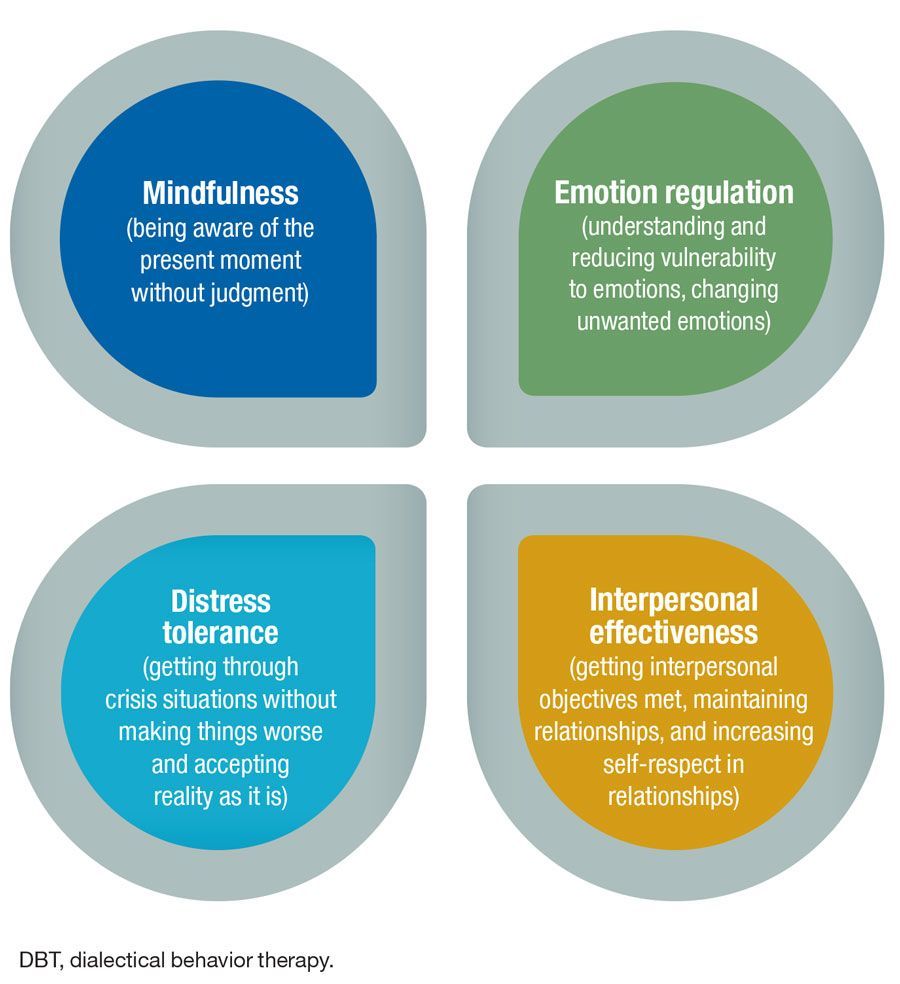
Discover what to expect from Wise-Mind DBT Brisbane’s 13-week skills group, covering mindfulness, emotion regulation, distress tolerance and relationships.

Discover how a 12-week DBT skills group can improve emotion regulation, reduce distress and build practical coping skills, supported by strong research evidence.