Autism and Masking: The Cost of Constantly Appearing “Fine”
Many autistic people spend years learning how to appear “fine”. They may learn to copy social behaviour, suppress natural movements, hide sensory distress, force eye contact, rehearse conversations, monitor their facial expressions, and respond in ways that make other people more comfortable. From the outside, they may seem capable, calm, articulate, high-achieving, or socially competent. Internally, however, they may feel exhausted, anxious, disconnected, overwhelmed, or unsure who they are when they are not performing.
This is often referred to as masking. Masking describes the conscious or unconscious strategies autistic people may use to hide, suppress, or compensate for autistic traits in order to navigate social, educational, workplace, family, or clinical environments. Sometimes masking is used for safety. Sometimes it is used to avoid bullying, criticism, exclusion, misunderstanding, or punishment. Sometimes it develops so early that the person does not realise they are doing it.
Masking can help a person get through certain situations, but it often comes at a significant cost. Over time, constantly appearing “fine” can contribute to anxiety, depression, emotional exhaustion, identity confusion, shutdown, meltdowns, relationship strain, and autistic burnout. It can also make it harder for others to understand the person’s actual needs because the distress is hidden until the person reaches crisis point.
At Wise-Mind DBT Brisbane, we recognise that emotional regulation support for autistic people must be neurodiversity-affirming. The goal is not to teach autistic people to become better at hiding their needs. The goal is to support self-understanding, reduce shame, build practical coping strategies, communicate needs clearly, and create a life that is more sustainable.
What Is Masking?
Masking can involve many different behaviours. Some people mask by copying the facial expressions, gestures, tone, humour, interests, or communication style of others. Some force themselves to make eye contact even when it feels uncomfortable or distracting. Others rehearse what to say before a conversation, analyse social interactions afterwards, or carefully monitor whether they are appearing “normal enough”.
Masking can also include suppressing stimming, hiding sensory overwhelm, pretending to understand indirect social cues, laughing at the right time, minimising distress, or pushing through environments that are too loud, bright, crowded, unpredictable, or socially demanding. A person may learn to perform competence so convincingly that others assume they are not struggling.
This can be particularly common for autistic women, girls, gender-diverse people, and people who were not diagnosed in childhood. Many have spent years being described as shy, sensitive, anxious, intense, perfectionistic, difficult, gifted, rude, dramatic, or socially awkward, without anyone recognising the autistic experience underneath. Instead of receiving understanding or appropriate support, they may have learned to work harder to hide their differences.
Masking is not a sign that someone is “less autistic”. It may simply mean they have become highly skilled at concealing distress and adapting to environments that were not designed for them.
Why Autistic People Mask
Autistic people often mask because the world has taught them that being openly autistic is not always safe. Many people begin masking after repeated experiences of correction, rejection, bullying, exclusion, invalidation, or misunderstanding. They may learn that their natural communication style is judged as rude, that their sensory needs are seen as inconvenient, that their emotional responses are seen as excessive, or that their need for clarity is interpreted as difficult.
For some, masking begins in childhood. A child may be told to stop fidgeting, look people in the eye, smile more, stop talking about their interests, use a different tone, be less blunt, hug relatives, tolerate uncomfortable clothing, or stay in overwhelming environments without complaint. The child learns that acceptance depends on suppressing parts of themselves.
For others, masking becomes necessary in workplaces, universities, relationships, or social groups. They may feel pressure to attend events, respond quickly, network, tolerate noise, manage unclear expectations, or communicate in ways that are not natural to them. If they disclose their needs, they may fear being judged as difficult, unreliable, dramatic, or less capable.
Masking can also occur in therapy and healthcare settings. An autistic person may arrive prepared, speak clearly, answer questions well, and appear emotionally regulated, while internally they are overwhelmed or struggling to process what is being asked. If clinicians rely only on outward presentation, they may miss the level of effort required for the person to appear composed.
This is why autistic distress can be underestimated. The person may seem fine until they are suddenly not fine at all.
The Emotional Cost of Appearing Fine
The emotional cost of masking can be substantial. Constant self-monitoring requires energy. The person may be tracking their tone, posture, facial expression, eye contact, gestures, volume, word choice, timing, and other people’s reactions all at once. This can make ordinary interactions feel like complex performances.
After social or workplace demands, the person may need significant recovery time. They may come home and collapse, become irritable, shut down, cry, lose speech, feel physically unwell, or be unable to complete basic tasks. Others may not understand why the person is so exhausted because they appeared to cope well during the event.
This mismatch between outward functioning and internal depletion can create shame. The person may think, “Everyone else can do this, so why can’t I?” They may blame themselves for being tired, overwhelmed, or unable to keep up. Over time, this can contribute to anxiety, depression, low self-worth, and chronic self-criticism.
Masking can also interfere with emotional awareness. If a person spends years suppressing signs of distress, they may become disconnected from their own internal cues. They may not realise they are overwhelmed until they are close to meltdown or shutdown. They may have difficulty identifying whether they are anxious, angry, sensory overloaded, socially exhausted, hungry, in pain, or burnt out. This can make emotion regulation much harder because the person does not receive clear early signals.
Masking and Identity Confusion
One of the most painful effects of long-term masking is identity confusion. When a person has spent years adapting to what others expect, they may begin to lose touch with what they actually prefer, need, feel, or value. They may know how to be acceptable, helpful, agreeable, productive, or entertaining, but not know how to be themselves.
This can show up in relationships. An autistic person may shape themselves around other people’s preferences to avoid rejection or conflict. They may say yes when they want to say no, hide discomfort, minimise sensory needs, or mirror the interests and communication style of the person they are with. Over time, they may feel resentful, invisible, or exhausted, but unsure how to express what is wrong.
It can also show up in career and study decisions. A person may choose pathways that reward performance and competence, while ignoring the cost to their nervous system. They may succeed externally while deteriorating internally. Because they have learned to push through distress, they may not notice the seriousness of burnout until functioning begins to collapse.
Unmasking, therefore, is not simply about “being more authentic” in a superficial sense. It is often a process of rediscovering needs, limits, communication preferences, sensory patterns, values, and ways of relating that have been suppressed for survival.
Masking, Meltdowns, Shutdowns, and Burnout
Masking can contribute to meltdowns, shutdowns, and autistic burnout because it often requires prolonged suppression of distress. When the person repeatedly pushes through sensory overload, social exhaustion, emotional discomfort, unclear expectations, and a lack of recovery time, the nervous system eventually reaches capacity.
A meltdown may occur when the system can no longer contain the intensity of overwhelm. This is not a tantrum or an attempt to manipulate. It is an involuntary response to overload. A shutdown may look quieter, but it can be just as significant. The person may become unable to speak, move, decide, respond, or engage. They may appear withdrawn or blank, while internally feeling frozen, disconnected, or depleted.
Autistic burnout is often more prolonged. It can involve severe exhaustion, reduced ability to manage daily tasks, increased sensory sensitivity, loss of skills, emotional dysregulation, social withdrawal, and a feeling of being unable to keep performing. Burnout can develop after long periods of masking, chronic stress, insufficient support, or environments that require the person to function against their needs.
A key issue is that masked distress is often recognised too late. Other people may only respond when the person has already reached crisis. This can reinforce the belief that needs are only taken seriously when the person is visibly overwhelmed, which is harmful and unsustainable.
When Masking Is Mistaken for Coping
Because masking can look like coping, autistic people may be praised for appearing fine. They may be told they are doing well because they are achieving, attending, smiling, speaking, working, studying, parenting, socialising, or meeting expectations. While encouragement can be well-intended, it can also miss the cost of functioning.
A person may be performing well at work but unable to cook dinner, reply to messages, shower, or recover afterwards. They may attend a social event but spend the next day in shutdown. They may speak clearly in therapy but then need hours to process the session. They may maintain relationships by hiding discomfort, but then feel unseen and resentful.
This is why functioning should never be assessed only by external appearance. A neurodiversity-affirming approach asks not only, “Can the person do this?” but also, “What does it cost them to do this, and how long does recovery take?”
This distinction matters. A person may be capable of doing something occasionally under pressure, but that does not mean it is sustainable as an ongoing expectation. Masking can make capacity appear higher than it is.
DBT and Masking: A Necessary Caution
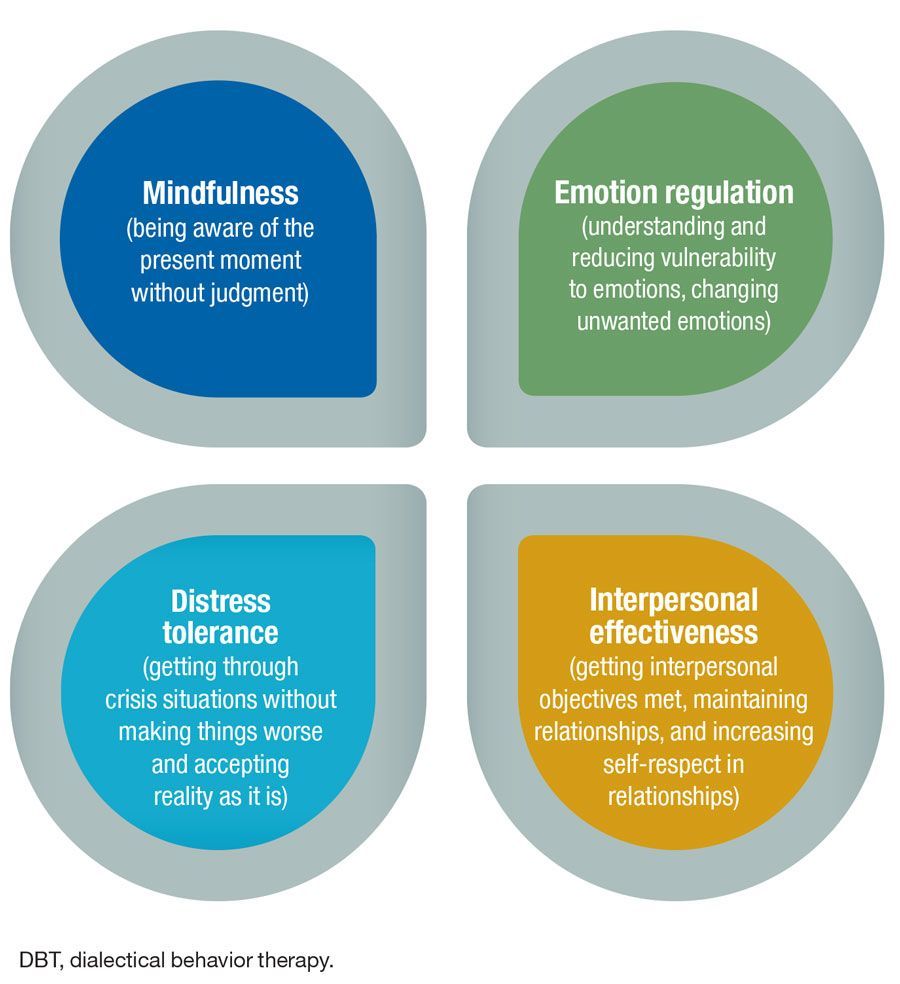
DBT can be very helpful for emotional regulation, distress tolerance, communication, and building a meaningful life. However, when working with autistic people, DBT needs to be adapted carefully. Skills should not become another form of masking.
For example, interpersonal effectiveness skills should not be used to teach autistic people to perform neurotypical communication at the expense of their wellbeing. Mindfulness should not require sitting still, making eye contact, or focusing on internal sensations that feel overwhelming. Distress tolerance should not mean staying in harmful sensory environments and trying harder to endure them. Emotion regulation should not mean suppressing autistic responses so others feel more comfortable.
A neurodiversity-affirming DBT approach asks whether a skill supports the person’s safety, values, self-respect, and sustainability. The aim is not to make distress invisible. The aim is to help the person understand distress earlier, respond skilfully, and communicate needs in ways that protect both relationships and the self.
This means DBT may support unmasking, not by forcing disclosure or dramatic change, but by helping the person notice where they are abandoning themselves to maintain acceptance.
Mindfulness as Self-Recognition
For autistic people who mask, mindfulness can begin with self-recognition. Rather than asking, “How should I appear right now?” the person begins asking, “What is actually happening inside me?”
This may involve noticing sensory discomfort before it becomes unbearable, recognising the physical signs of social exhaustion, identifying when speech is becoming harder, or noticing the urge to agree automatically. Mindfulness can help the person recognise the difference between genuine willingness and compliance driven by fear.
For someone who has spent years ignoring internal cues, this can be challenging. The body may not send clear signals at first, or the person may have learned to override them immediately. Mindfulness therefore needs to be gentle, concrete, and adapted. It may involve using sensory scales, body maps, journalling, visual prompts, or simple check-ins throughout the day.
Over time, mindfulness can help the person move from performance towards self-awareness. This is an important foundation for reducing masking because people cannot advocate for needs they have not been allowed to notice.
Distress Tolerance Without Self-Abandonment
Distress tolerance skills can help autistic people manage moments of overwhelm, but they must be used with care. There is an important difference between tolerating unavoidable distress and forcing oneself to endure preventable harm.
If someone is overwhelmed in a noisy shopping centre, distress tolerance might help them leave safely, use headphones, regulate their breathing, or reduce panic until they reach a quieter space. It should not be interpreted as a requirement to remain in the environment indefinitely to prove they can cope.
If someone is shutting down during conflict, distress tolerance might involve taking a planned break, using written communication, or reducing verbal demands. It should not mean forcing immediate conversation because the other person wants resolution.
For people who mask, distress tolerance often needs to include permission to stop performing. This might mean stepping outside, reducing eye contact, using a script, declining an invitation, taking sensory breaks, or saying, “I cannot process this right now.” These are not failures. They are skilful responses to nervous system limits.
Emotion Regulation and the Need to Reduce Vulnerability
DBT emotion regulation focuses partly on reducing vulnerability to emotional overwhelm. For autistic people who mask, this is especially important because emotional vulnerability often increases when sensory, social, and cognitive demands accumulate without recovery.
Reducing vulnerability may involve more than sleep, food, movement, and medication. It may also involve reducing sensory load, planning transition time, creating predictable routines, allowing recovery after social contact, limiting unnecessary demands, using assistive tools, and being more honest about capacity.
For example, someone may notice that after a full day of masking at work, they are far more likely to become distressed in the evening. The issue may not be the evening conversation itself. The issue may be that their nervous system has no remaining capacity. In this case, the skill is not simply to regulate better during the argument. The skill may be to prevent overload earlier in the day, communicate limits, and build recovery into the routine.
Emotion regulation becomes more effective when the person is not constantly living beyond capacity.
Interpersonal Effectiveness and Self-Advocacy
Interpersonal effectiveness can be particularly powerful for autistic people who mask, because it supports clearer communication and self-advocacy. Many autistic people have learned to prioritise other people’s comfort over their own needs. They may avoid asking for adjustments because they fear being seen as difficult. They may over-explain, apologise excessively, or minimise the seriousness of their needs.
DBT can help by teaching structured communication that is clear, respectful, and grounded in self-respect. This might include asking for written instructions, requesting quieter meeting spaces, stating a need for processing time, declining last-minute changes where possible, or explaining that verbal communication becomes difficult during overload.
The key is that interpersonal effectiveness should not require the person to become less autistic. It should help them communicate in ways that are understandable, direct, and sustainable. Written communication, scripts, visual supports, and planned conversations may all be appropriate adaptations.
A self-respecting approach to communication recognises that needs are not burdens simply because they are different. The aim is not to demand that every environment become perfect. The aim is to make reasonable adjustments, protect capacity, and build relationships where the person does not have to disappear in order to belong.
Unmasking Safely and Gradually
Unmasking is sometimes spoken about as though it is a simple decision to “be yourself”. In reality, it can be complex. Some environments are safer than others. Some relationships can tolerate authenticity, while others may respond with judgement or misunderstanding. Some people may not yet know what unmasking would look like for them.
A careful approach is often best. Unmasking may begin privately, by noticing what feels natural when alone. It may involve allowing stimming at home, wearing more comfortable clothing, reducing unnecessary social performance, or giving oneself permission to rest after demands. It may then extend into trusted relationships, where the person can practise communicating needs or showing distress earlier.
Unmasking also requires grief for many people. There may be grief about years spent trying to be acceptable, grief about missed support, grief about misdiagnosis, grief about exhaustion, or grief about relationships where the person was only valued when masked. This grief deserves space.
DBT can support this process by helping the person move slowly, use Wise Mind, consider safety, communicate effectively, and reduce shame. Unmasking does not have to be sudden or public to be meaningful. Even small moments of self-recognition can matter.
Supporting an Autistic Person Who Masks
If you care about an autistic person who masks, it is important to pay attention to more than outward appearance. They may look fine while working extremely hard to manage sensory input, social expectations, and emotional strain.
Support often begins with believing them when they describe the cost of functioning. It can help to ask what makes situations easier, offer clear communication, avoid unnecessary ambiguity, respect sensory needs, and not take shutdown or reduced communication personally. It is also important not to praise masking in ways that reinforce self-suppression. Comments such as “You do not seem autistic” or “You cope so well” may be intended kindly, but they can feel invalidating.
A more helpful approach is to recognise effort without requiring performance. This might mean valuing direct communication, allowing quiet, accepting sensory tools, offering written information, respecting no, and making room for recovery time.
Relationships become safer when autistic people do not have to constantly prove that their needs are real.
Moving From Performance Towards Sustainability
The cost of masking is not only tiredness. It can affect identity, emotional regulation, relationships, self-worth, and long-term mental health. When a person has spent years appearing fine, it may take time to learn how to be honest about distress, needs, limits, and preferences.
DBT can help when it is adapted in a neurodiversity-affirming way. Mindfulness can support self-recognition. Distress tolerance can help manage overwhelm without self-abandonment. Emotion regulation can reduce vulnerability by changing the conditions that create overload. Interpersonal effectiveness can support self-advocacy, boundaries, and clearer communication. Wise Mind can help the person make decisions that balance safety, values, connection, and sustainability.
The goal is not to remove autistic traits. The goal is to reduce suffering and build a life that fits.
For many autistic people, healing involves learning that they do not have to appear fine to be worthy of care. Their needs matter before they reach crisis. Their distress is valid even when it is not visible. Their authentic ways of communicating, sensing, thinking, and relating deserve respect.
Support for Autism, Masking, and Emotional Regulation
Masking can be exhausting, especially when it has been used for years to navigate environments that have not understood or supported autistic needs. If you are autistic, questioning whether you may be autistic, or supporting someone who masks, it may be helpful to work with clinicians who understand emotional regulation, trauma, neurodivergence, and the cost of constant performance.
Wise-Mind DBT Brisbane provides therapy and DBT-informed support for people experiencing emotional dysregulation, autistic burnout, sensory overwhelm, ADHD, BPD, Complex PTSD, relationship distress, masking, shutdown, and difficulties with communication or coping.
Wise-Mind Matters