
The Deep Need for Mental and Physical Feeling of Safety: Understanding, Healing, and Finding Inner Peace
Jean-Gabrielle Short • February 15, 2025
The Deep Need for Safety - Understanding, Healing, and Finding Inner Peace
Being safe, both mentally and physically, greatly impacts how we live. When we feel unsafe, our minds and bodies react with stress, anxiety, and survival-driven behaviours. But what happens when our lives are consumed by constant fear and uncertainty? It becomes a curse that robs us of joy, preventing us from embracing life’s beautiful moments. If you struggle with these feelings, ask yourself: What makes me feel this way? How can I break free when fear feels like an unshakable part of my life? And what steps can I take to cultivate a lasting sense of safety?
Why Safety Matters
Feeling safe isn’t just about avoiding physical danger, mental and emotional safety are equally important. Safety is the foundation of human well-being and performance. When we feel safe, our bodies enter a state of relaxation and recovery, allowing us to heal, build resilience, and thrive. On the other hand, chronic feelings of unsafety trigger stress responses, affecting our mental, emotional, and physical health.
Consider how new-born babies flourish when nurtured in a stable, loving environment. They grow not only physically but also emotionally and cognitively. In contrast, individuals raised in chaotic or abusive environments often struggle with chronic anxiety, trust issues, and even long-term physical health problems. Their bodies and minds become wired for hypervigilance rather than growth.
And if you were raised in a chaotic or abusive environment, I want to tell you: You are not alone, and this is not the end of your story. Ending your life is not the solution. You are not your enemy, be kind to yourself. It’s not your fault. Life is unpredictable, and we are all just human.
Unresolved trauma and unacknowledged pain can leave individuals feeling isolated, burdened, and disconnected from a sense of normalcy. When those who should provide protection fail to do so, it can create lasting wounds. Breaking free from these cycles requires seeking support, acknowledging past pain, and working toward healing.
The Impact of Feeling Unsafe on the Mind and Body
When we don’t feel safe, our nervous system shifts into survival mode. This activates the fight-or-flight response, flooding our bodies with stress hormones. Over time, chronic stress can cause severe mental and physical wear and tear, leading to issues such as:
Anxiety and depression
Difficulty forming or maintaining relationships
Chronic physical illnesses
Self-destructive behaviours as a coping mechanism
One of the most damaging effects of chronic stress is the feeling of being trapped. Whether it’s being trapped in an unhealthy environment, toxic relationships, financial instability, or even our own negative thoughts, the sensation of having no control can fuel anger, frustration, and destructive actions.
Harmful Coping Mechanisms and Breaking Free
When we feel unsafe, we instinctively seek ways to regain control. Unfortunately, many of these coping strategies can be harmful in the long run. Some common responses include:
Substances, gambling, food, or even social media can become temporary escapes from feelings of fear and insecurity.
DBT Skills to Cope:
Distress Tolerance (ACCEPTS & Self-Soothing): Engage in healthy distractions, such as listening to music, going for a walk, or practising deep breathing, to reduce urges.
Radical Acceptance: Instead of avoiding pain through addiction, acknowledge reality as it is and work towards healthier coping mechanisms.
Mindfulness: Stay present and observe cravings without acting on them, recognizing that they come and go like waves.
DBT Skills to Cope:
Interpersonal Effectiveness (DEAR MAN, GIVE, FAST): Learn to assert your needs without resorting to control or manipulation. Healthy relationships are built on respect and balance.
Emotion Regulation (Opposite Action): If the urge to control arises from fear, practice the opposite by letting go in small, manageable ways and observing the outcome.
Checking the Facts: Challenge distorted thoughts that make you feel the need for excessive control. Ask yourself, “Is this truly a threat?”
DBT Skills to Cope:
Self-Validation: Practice recognizing your feelings and experiences as valid, even if others don’t acknowledge them.
Building Mastery: Engage in activities that give you a sense of competence and accomplishment, such as hobbies, learning, or small daily achievements.
Wise Mind & Radical Acceptance: Balance logic and emotions when evaluating self-worth. Accept imperfections as part of being human rather than as failures.
By using these DBT skills, we can develop healthier coping mechanisms and create a genuine sense of safety, one that isn’t dependent on harmful behaviours or external validation.
Building a Lasting Sense of Safety
True safety comes from within. It’s about creating an internal environment where we feel secure, resilient, and at peace, regardless of external circumstances. Here’s how we can foster genuine safety:
Emotional Vulnerability Real human connection is built on trust and vulnerability. While society often discourages vulnerability, it is crucial for healing. Suppressing emotions, especially anger, only fuels more stress and disconnection. Learning to express emotions in healthy ways can reduce anxiety and create deeper relationships.
Dynamic Healing Rather than just “managing” stress, dynamic healing focuses on shifting our nervous system from a constant threat state to one of safety. This involves:
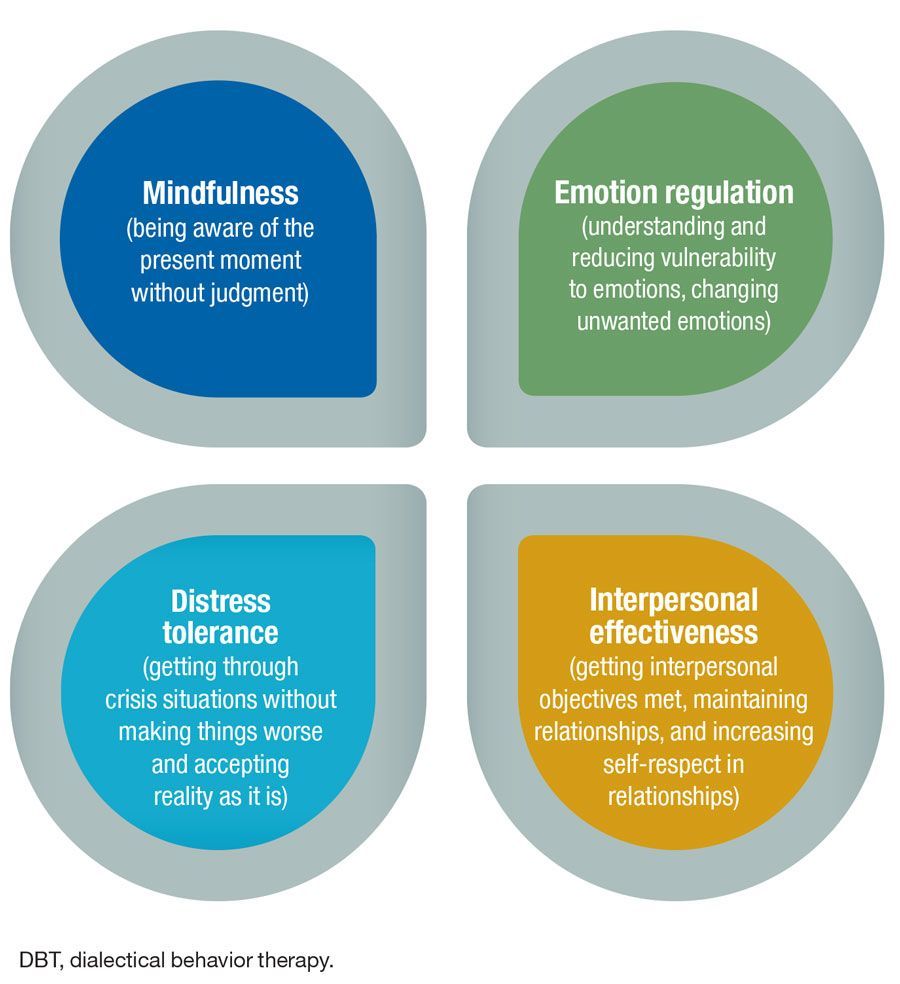
Mindfulness and grounding techniques to bring awareness to the present moment Therapy and self-reflection to address past trauma and negative thought patterns Breathwork and relaxation practices to regulate stress responses DBT Therapy and Skills Dialectical Behaviour Therapy is an evidence-based approach that can be incredibly effective in helping individuals feel safe and in control of their emotions. DBT skills such as distress tolerance, emotion regulation, interpersonal effectiveness, and mindfulness help create long-term emotional stability. However, it’s important to note that progress with DBT is not an overnight success, it often takes months or even a year to see significant change. But the effort is worth it, as it leads to a deep and lasting sense of inner safety. Without committing to the process, you may constantly battle feelings of unsafety, missing out on the beauty and wonder that life has to offer.
Creating Cues of Safety Our nervous system constantly scans for signs of danger or safety. By surrounding ourselves with positive environments, supportive relationships, and healthy routines, we can reinforce cues of safety and rewire our responses to stress.
The Power of Positive Thinking
One of the most important tools in creating a lasting sense of safety is the power of positive thinking. Thinking positively can help shift your mindset, making it easier to focus on what’s going well in your life rather than what’s wrong. Taking a moment each day to say something good about yourself, whether it's acknowledging your efforts, celebrating your achievements, or simply affirming your worth, can have a profound impact on your mental and emotional health.
By regularly engaging in positive self-talk, you not only cultivate a sense of inner peace and safety, but you also rewire your brain to recognise and appreciate the good in your life. This simple yet powerful practice is key to building resilience, reducing anxiety, and ultimately healing from the inside out.
When Feeling Unsafe Comes from Trauma or Life Circumstances
Feeling unsafe may stem from a variety of sources, childhood trauma, toxic relationships, financial instability, or even personal fears. In these situations, it’s important to take a step back, breathe, and assess what you can do to resolve the issue. If you can solve it, take practical steps toward healing or improvement. If it feels overwhelming or beyond your control, don’t make the situation worse by allowing it to consume you. Instead, seek help. Reaching out to a trusted person or professional can provide you with the support and guidance you need to regain a sense of safety and peace.
Final Thoughts
Feeling safe is more than just avoiding danger, it’s about fostering a sense of internal peace and resilience. When we prioritize healing, embrace emotional vulnerability, and reframe our responses to stress, we create a life where we can truly thrive. The path to safety isn’t about control or avoidance, it’s about understanding, growth, and connection. By taking intentional steps and utilizing tools like DBT and positive thinking, we can move from merely surviving to truly living. Don’t let the fear of unsafety hold you back, life is full of beauty, connection, and joy, and you deserve to experience it all.
FAQs
1. What does it mean to feel safe, and why is it so important?
Feeling safe means experiencing a sense of security, physically, emotionally, and psychologically. It is essential for overall well-being, as it allows us to relax, heal, and function effectively.
2. How does chronic stress from feeling unsafe affect mental health?
Chronic stress triggers anxiety, depression, and even physical illnesses by keeping the body in a constant state of fight-or-flight. Over time, this can lead to burnout and difficulty maintaining healthy relationships.
3. What are some common but unhealthy ways people try to feel safe?
Many people turn to controlling behaviours, or perfectionism as coping mechanisms. While these strategies may offer temporary relief, they often lead to deeper issues in the long run.
4. How can I create a lasting sense of safety within myself?
True safety comes from within and involves healing past trauma, practicing mindfulness, surrounding yourself with positive relationships, and using tools like DBT and self-affirmation to build resilience.
5. Can therapy help with feelings of unsafety?
Yes, therapy, especially approaches like DBT, can help individuals regulate their emotions, reframe negative thought patterns, and build skills to feel safer and more in control of their lives.
Wise-Mind Matters

Learn how Complex PTSD affects emotions, identity and relationships, and how DBT skills can support safety, stability, healthy boundaries and lasting self-trust.

Learn how autistic masking affects identity, emotional regulation and burnout, and how neurodiversity-affirming DBT can support safer, sustainable unmasking.

Learn why autistic burnout is not avoidance, how rest supports nervous system recovery, and how autism-affirming DBT can help rebuild sustainable capacity.

Learn how ADHD-related impulsivity affects emotions, relationships and daily life, and how practical DBT skills can create more pause, choice and self-control.

xplore anger through a DBT lens, including emotional vulnerability, nervous system activation and practical skills to reduce escalation and respond effectively.

Learn why meaningful change does not follow the calendar, and how DBT supports steady emotional, behavioural and identity growth through practice over time.

Learn why change feels difficult and how DBT uses acceptance, willingness and practical skills to reduce resistance, build confidence and help you move forward.

Learn how DBT chain analysis uncovers the links behind problem behaviours, reduces shame, builds accountability and creates practical pathways to lasting change.

Learn how emotional vulnerability and self-invalidation intensify distress, and how DBT skills build self-validation, balance and more compassionate coping.
Discover what to expect from Wise-Mind DBT Brisbane’s 13-week skills group, covering mindfulness, emotion regulation, distress tolerance and relationships.