Beyond the Skills: The Comprehensive Understandings of Dialectical Behaviour Therapy
Jean-Gabrielle Short • January 18, 2025
When most people think about Dialectical Behaviour Therapy, the first thing that often comes to mind is “skills.” It’s easy to see why—the four core modules of mindfulness, distress tolerance, emotion regulation, and interpersonal effectiveness are some of DBT’s most recognisable features. While these skills are undoubtedly essential, DBT is far more than a set of techniques. It is a comprehensive therapeutic approach designed to help individuals transform the way they navigate their inner and outer worlds.
DBT is rooted in a holistic understanding of human behaviour, aiming not only to teach new strategies for coping but also to create lasting change in the way people think, feel, and interact with the world around them. Here, we delve into the five comprehensive understandings that make DBT so much more than just “skills training.”
1. Learning New Psychological, Emotional, and Relational Skills
At its core, DBT is a skills-based therapy. However, what sets DBT apart is how it integrates psychological, emotional, and social learning into a unified approach. It’s not about teaching skills in isolation—it’s about helping individuals understand how these skills connect to their unique experiences and challenges.
For example, a person struggling with intense emotional dysregulation doesn’t just learn how to label their emotions (a mindfulness skill); they also learn how to reduce their emotional vulnerability through self-care, navigate interpersonal conflict more effectively, and tolerate distressing situations without resorting to harmful behaviours. This holistic approach ensures that individuals are not just learning skills but reshaping their entire approach to life.
2. Generalising Skills to Everyday Life
DBT’s ultimate goal is to help individuals apply these skills in their real, everyday lives. This process involves more than simply practising skills during therapy sessions—it requires detailed planning, coaching, and real-world experimentation.
For instance, a client who struggles with impulsive behaviours in conflict might role-play difficult conversations during individual therapy, practice interpersonal effectiveness strategies with a trusted friend, and receive phone coaching from their therapist during moments of crisis. These layers of support ensure that skills learned in therapy don’t remain theoretical but become practical tools for navigating life’s challenges.
This emphasis on generalisation is particularly important for individuals who have historically responded to stress with overlearned, dysfunctional behaviours. By practising in real-world contexts, clients gain confidence and experience in using more skilful responses, even in high-stakes situations.
3. Enhancing Motivation and Replacing Dysfunctional Behaviours
Change is hard—especially when dysfunctional behaviours have been overlearned and reinforced over time. DBT recognises this reality and places a strong emphasis on enhancing client motivation. Individual therapy sessions are the cornerstone of this process, offering a space where clients collaborate with their therapist to identify treatment targets, explore the function of their behaviours, and develop strategies for change.
Therapists use validation, problem-solving, and dialectics to help clients replace old behaviours with new, more effective alternatives. This collaborative approach ensures that clients remain engaged in their treatment and motivated to continue working toward their goals, even when the process feels challenging.
4. Improving Social and Family Relationships
Human connection is at the heart of DBT. Many clients who seek DBT have experienced tumultuous or invalidating relationships, which can exacerbate feelings of isolation, shame, and emotional dysregulation. DBT addresses these relational challenges in two ways: by helping clients build better relationships and by fostering more supportive and validating interactions with their loved ones.
Through the interpersonal effectiveness module, clients learn skills like assertiveness, boundary-setting, and conflict resolution, enabling them to navigate relationships with greater confidence and clarity. In some cases, therapists may also involve family members in the treatment process, teaching them how to provide validation and support in ways that promote healing and growth for everyone involved.
5. Supporting the Therapists: Team Consultation
DBT is not just hard work for clients—it’s also a demanding therapy for practitioners. To provide effective care, DBT therapists need ongoing support, validation, and skill-building. This is where the consultation team comes in.
DBT consultation teams are weekly meetings where therapists come together to support each other, problem-solve challenging cases, and stay motivated in their work. These meetings are a vital part of the DBT framework, ensuring that therapists can maintain their own emotional wellbeing while delivering high-quality care. After all, a therapist who feels supported and empowered is far better equipped to guide their clients through the transformative process of DBT.
DBT: A Holistic Path to Change
While DBT skills are an integral part of the therapy, they are only one piece of the puzzle. The true power of DBT lies in its comprehensive approach to healing, which addresses the psychological, emotional, and relational dimensions of human experience.
By teaching new skills, supporting their application in everyday life, enhancing motivation, strengthening relationships, and ensuring therapist wellbeing, DBT offers a holistic framework for creating meaningful and lasting change. It is not merely a toolkit for coping—it is a pathway to building a life worth living.
For those who think DBT is just about the skills, it’s time to take a closer look. Behind every acronym and worksheet is a robust therapeutic approach that empowers individuals to rewrite their stories and reclaim their lives.
Wise-Mind Matters

Learn how Complex PTSD affects emotions, identity and relationships, and how DBT skills can support safety, stability, healthy boundaries and lasting self-trust.

Learn how autistic masking affects identity, emotional regulation and burnout, and how neurodiversity-affirming DBT can support safer, sustainable unmasking.

Learn why autistic burnout is not avoidance, how rest supports nervous system recovery, and how autism-affirming DBT can help rebuild sustainable capacity.

Learn how ADHD-related impulsivity affects emotions, relationships and daily life, and how practical DBT skills can create more pause, choice and self-control.

xplore anger through a DBT lens, including emotional vulnerability, nervous system activation and practical skills to reduce escalation and respond effectively.

Learn why meaningful change does not follow the calendar, and how DBT supports steady emotional, behavioural and identity growth through practice over time.

Learn why change feels difficult and how DBT uses acceptance, willingness and practical skills to reduce resistance, build confidence and help you move forward.

Learn how DBT chain analysis uncovers the links behind problem behaviours, reduces shame, builds accountability and creates practical pathways to lasting change.

Learn how emotional vulnerability and self-invalidation intensify distress, and how DBT skills build self-validation, balance and more compassionate coping.
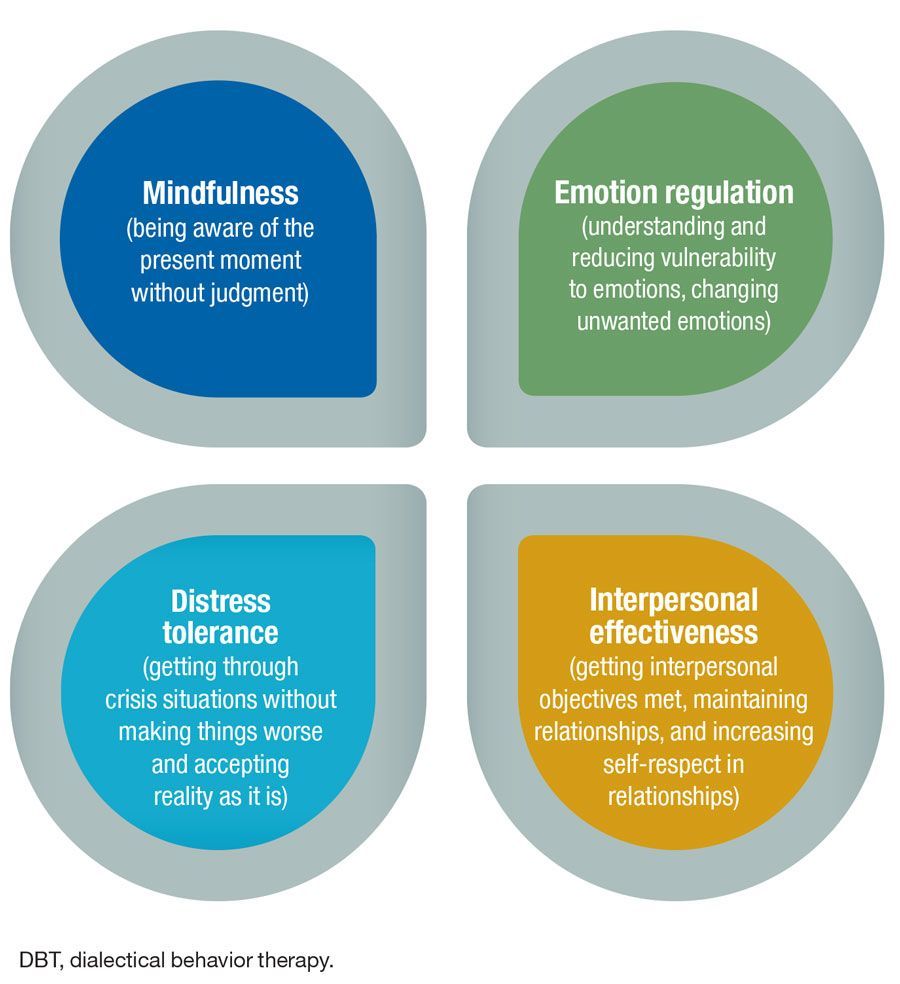
Discover what to expect from Wise-Mind DBT Brisbane’s 13-week skills group, covering mindfulness, emotion regulation, distress tolerance and relationships.