
Understanding Anger Through a DBT Lens
Jean-Gabrielle Short • January 17, 2026
Emotions, the Nervous System, and Why Anger Can Feel So Intense
Anger is one of the most misunderstood emotions, particularly for people who experience it intensely, quickly, or in ways that feel difficult to control. In clinical practice, anger is often labelled as a problem behaviour or a sign of poor coping, rather than understood as a meaningful emotional response shaped by biology, learning history, and current context. Dialectical Behaviour Therapy takes a very different position. Rather than asking how to eliminate anger, DBT asks why anger arises, what function it serves, and how people can learn to experience it without causing harm to themselves or others.
This article explores anger through two closely connected frameworks. First, the DBT model of emotions, which explains how emotions are generated and maintained. Second, the role of the autonomic nervous system, which helps us understand why anger can escalate rapidly and feel overwhelming in the body. When these models are integrated, anger becomes less mysterious and less moralised. It becomes something that can be understood, anticipated, and worked with skillfully.
The DBT Model of Emotions
In DBT, emotions are not random or irrational. They arise through a predictable sequence of events. An emotion begins with a prompting event, which can be external, such as a conflict or perceived rejection, or internal, such as a thought, memory, or physical sensation. This prompting event interacts with a person’s vulnerability factors. These include things like sleep deprivation, stress, trauma history, chronic invalidation, or ongoing relational strain.
When vulnerability is high, even relatively small events can trigger strong emotional responses. This is particularly relevant for anger, which is often activated in situations involving perceived threat, injustice, abandonment, or boundary violations. Once the emotion is triggered, it unfolds across multiple systems. There is an emotional experience, changes in thoughts, urges to act, and physiological arousal in the body.
Anger, from a DBT perspective, often includes thoughts such as “This is not fair” or “I am being disrespected,” urges to confront, attack, withdraw, or defend, and physical sensations such as muscle tension, heat, increased heart rate, and narrowed attention. These components reinforce one another, creating momentum. If nothing interrupts the process, anger can escalate quickly and lead to behaviours that may later be regretted.
Importantly, DBT emphasises that emotions themselves are not the problem. Emotions evolved to help us survive. Anger, in particular, is designed to mobilise energy, protect boundaries, and signal that something important is at stake. Problems arise when anger becomes too intense, lasts too long, or leads to behaviours that create further suffering.
Emotional Vulnerability and Anger Escalation
Some people are biologically more emotionally sensitive than others. DBT refers to this as emotional vulnerability, which includes heightened sensitivity to emotional cues, intense emotional responses, and a slower return to baseline. When emotional vulnerability is combined with an invalidating environment, where emotions are dismissed, punished, or misunderstood, people often learn to suppress or distrust their internal experiences.
Over time, this combination can make anger particularly volatile. Suppressed anger does not disappear. Instead, it often builds beneath the surface until it is triggered suddenly and intensely. Many people describe feeling calm one moment and flooded with anger the next, with little sense of control. This is not a failure of character. It is a predictable outcome of emotional vulnerability interacting with chronic invalidation and stress.
Understanding this model helps reduce shame. Anger is not evidence that someone is dangerous, broken, or manipulative. It is evidence that their emotional system has learned to respond strongly in the face of perceived threat or pain.
The Role of the Autonomic Nervous System
To fully understand anger, it is essential to look beyond thoughts and behaviour and consider the nervous system. The autonomic nervous system regulates arousal and threat responses automatically, without conscious choice. It has two primary branches that are relevant here: the sympathetic nervous system and the parasympathetic nervous system.
When the sympathetic nervous system is activated, the body prepares for action. Heart rate increases, breathing becomes shallow, muscles tense, and attention narrows. This is often referred to as the fight or flight response. Anger is closely linked to this state. The body is mobilised to protect, confront, or defend.
For many people who experience intense anger, this activation happens extremely quickly. The nervous system interprets a situation as threatening before the rational mind has time to evaluate it. Past experiences, particularly trauma or repeated invalidation, can sensitise the nervous system so that it responds to present day situations as though they are dangerous, even when the threat is emotional rather than physical.
Once the sympathetic system is highly activated, access to reflective thinking is reduced. This is why reasoning, reassurance, or being told to calm down rarely helps in the moment. The body is already in survival mode.
The parasympathetic nervous system, particularly the branch involved in social engagement and calming, helps bring the body back to baseline. Learning to activate this system intentionally is a key part of managing anger effectively. DBT skills are designed not only to change thoughts or behaviours, but to work directly with nervous system activation.
Anger, Control, and the Illusion of Choice
One of the most painful aspects of anger for many people is the belief that they should be able to control it through willpower alone. When anger feels uncontrollable, this belief often turns into shame and self criticism. From a DBT perspective, this expectation is unrealistic and unhelpful.
Anger is not a deliberate choice. The initial surge of anger happens automatically, driven by the nervous system and shaped by past learning. Choice enters the picture later, in how a person responds to the emotion once it has arisen. This distinction is crucial. People may not have control over whether anger appears, but they can learn skills to influence how it unfolds and how they act in response.
Recognising this distinction allows people to move away from self blame and towards skill development. The goal is not to eliminate anger, but to increase the window between feeling anger and acting on urges that may cause harm.
Highlighted DBT Skill: Mindfulness of Current Emotion
One of the most effective DBT skills for working with anger is Mindfulness of Current Emotion. This skill involves turning attention towards the emotion itself, rather than away from it, without judgement or suppression. For anger, this means noticing the physical sensations, thoughts, and urges that are present, while allowing the emotion to rise and fall naturally.
When practiced consistently, this skill helps interrupt the automatic escalation cycle. Naming anger and observing it creates a small but meaningful pause. This pause can reduce physiological arousal and prevent secondary emotions such as shame or panic from layering on top of the initial anger.
Mindfulness of current emotion also supports nervous system regulation. By staying present and grounded, the parasympathetic system is more likely to engage, allowing the body to settle over time. This does not mean anger disappears immediately. It means that anger is experienced as tolerable rather than overwhelming.
This skill is particularly powerful when combined with validation. Acknowledging that anger makes sense given the situation reduces internal conflict and resistance. Paradoxically, accepting anger often allows it to pass more quickly.
Learning to Work With Anger, Not Against It
Anger becomes most destructive when people feel they must either act on it or get rid of it entirely. DBT offers a middle path. Anger can be acknowledged, understood, and responded to thoughtfully. Over time, this approach reduces fear of anger itself, which is often what drives impulsive reactions.
Developing these skills takes practice and support. Anger patterns are rarely changed through insight alone. They change through repetition, feedback, and learning in a structured environment that prioritises safety and validation.
DBT Anger Management Program Starting in April
To support people who struggle with intense or reactive anger, our DBT Anger Management Program
is commencing in April. This program is grounded in Dialectical Behaviour Therapy and is designed for adults who want to better understand their anger, reduce emotional escalation, and respond more effectively in challenging situations.
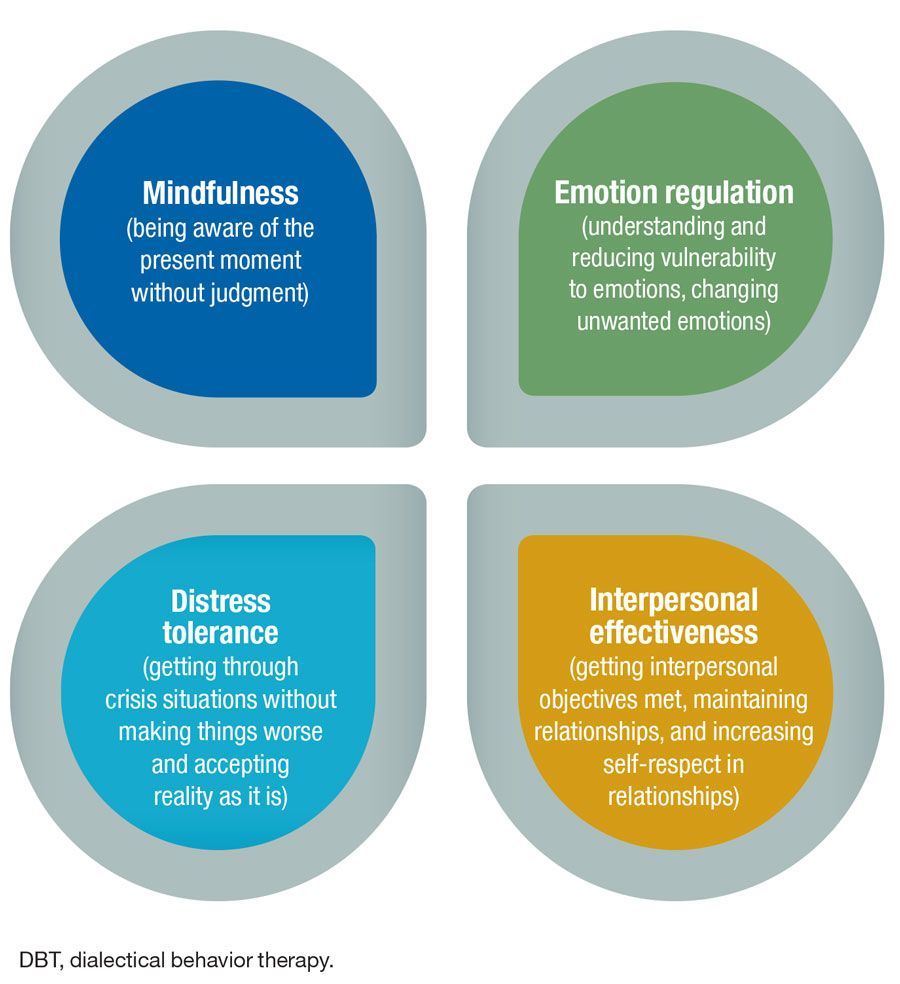
The program focuses on building skills in emotional regulation, distress tolerance, mindfulness, and interpersonal effectiveness, with a specific emphasis on anger and nervous system awareness. Participants are supported to understand their own anger patterns, identify vulnerability factors, and practice skills in a structured and compassionate group setting.
Anger does not need to define your relationships or your sense of self. With the right framework and support, it can become an emotion you understand and manage, rather than fear or fight against.
Wise-Mind Matters

Learn how Complex PTSD affects emotions, identity and relationships, and how DBT skills can support safety, stability, healthy boundaries and lasting self-trust.

Learn how autistic masking affects identity, emotional regulation and burnout, and how neurodiversity-affirming DBT can support safer, sustainable unmasking.

Learn why autistic burnout is not avoidance, how rest supports nervous system recovery, and how autism-affirming DBT can help rebuild sustainable capacity.

Learn how ADHD-related impulsivity affects emotions, relationships and daily life, and how practical DBT skills can create more pause, choice and self-control.

Learn why meaningful change does not follow the calendar, and how DBT supports steady emotional, behavioural and identity growth through practice over time.

Learn why change feels difficult and how DBT uses acceptance, willingness and practical skills to reduce resistance, build confidence and help you move forward.

Learn how DBT chain analysis uncovers the links behind problem behaviours, reduces shame, builds accountability and creates practical pathways to lasting change.

Learn how emotional vulnerability and self-invalidation intensify distress, and how DBT skills build self-validation, balance and more compassionate coping.
Discover what to expect from Wise-Mind DBT Brisbane’s 13-week skills group, covering mindfulness, emotion regulation, distress tolerance and relationships.

Discover how a 12-week DBT skills group can improve emotion regulation, reduce distress and build practical coping skills, supported by strong research evidence.