
Finding the Balance Between Inhibited Grieving and Emotional Processing
Jean-Gabrielle Short • October 31, 2024
In my work as a DBT therapist, I often meet people who struggle with inhibited grieving, where their feelings of grief get buried or pushed aside, making it incredibly hard for them to process their pain. When someone avoids the painful feelings connected to a loss or trauma, they may feel emotionally numb or disconnected over time. This avoidance can lead to deeper issues like depression, anxiety, and even physical symptoms like fatigue or chronic pain.
In DBT, we see inhibited grieving as one side of a dialectic—a tug-of-war between avoiding grief to protect oneself from pain and, on the other side, the need for emotional processing, where we confront and work through our feelings to find healing. Finding a healthy balance between these two extremes is essential for moving forward in a healthy way.
What is Inhibited Grieving?
Inhibited grieving is when someone suppresses their emotional response to loss or trauma. This can happen for several reasons: fear of being overwhelmed by grief, social pressures to “stay strong,” or lacking emotional support. Some people may even believe, often unconsciously, that allowing themselves to grieve fully will be too painful or make them feel out of control.
To avoid this pain, they might throw themselves into work, use substances, or distance themselves emotionally from others. While these strategies might work temporarily, they prevent natural grieving from happening. Over time, unprocessed grief can show up as numbness, irritability, or even physical issues, making it harder to find joy or connection in daily life.
The Dialectic of Inhibited Grieving and Emotional Processing
Dialectics in DBT teach us that two conflicting truths can coexist. For inhibited grieving, the tension lies between the need to shield oneself from emotional pain and the necessity of facing that pain to heal.
Inhibited grieving involves holding back or avoiding painful feelings, which might seem helpful in the short term, allowing someone to function without becoming overwhelmed by sadness or despair. However, the long-term consequence of avoiding grief is that unprocessed feelings remain unresolved, leading to greater emotional distress later.
On the opposite side is emotional processing, which means fully experiencing and acknowledging the pain of loss or trauma. Processing doesn’t mean being consumed by grief forever; rather, it’s about moving through it and eventually integrating the loss in a way that allows for resolution and peace.
The Importance of Emotional Processing in Healing
Emotional processing is critical to healing grief. It requires recognising and accepting the full range of emotions associated with loss—sadness, anger, guilt, or even relief—and finding healthy ways to express and release these feelings. While this process is painful, it’s necessary for long-term well-being. Inhibited grieving, meanwhile, often prolongs suffering, as the unresolved emotions continue to build over time.
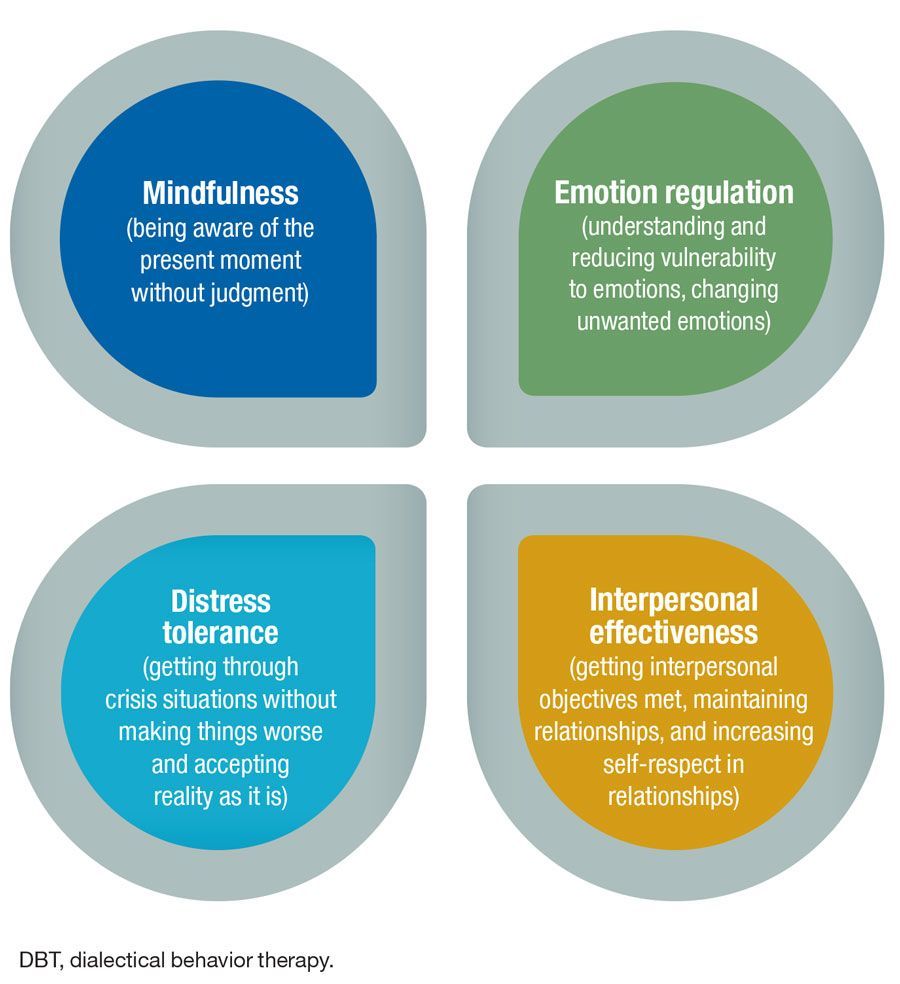
In DBT, I guide people to find balance through mindfulness, distress tolerance, and emotional regulation skills. These techniques help individuals approach their pain without becoming overwhelmed, allowing them to process grief in manageable steps.
Strategies for Balancing Inhibited Grieving and Emotional Processing
Mindfulness of Emotions: Mindfulness allows you to observe and acknowledge your feelings without judgment. In grief, this can help you notice sadness, anger, or fear without pushing them away, making room for natural emotional processing.
Distress Tolerance:
When grief feels too intense, DBT’s distress tolerance skills (like the TIPP method: Temperature, Intense exercise, Paced breathing, and Progressive muscle relaxation) can help you manage these feelings without resorting to avoidance. Staying present with emotions, even when they’re painful, allows healing to begin.
Opposite Action:
Sometimes, emotions like grief can encourage avoidance. Practising opposite action—doing the opposite of what your emotions urge—can help. For inhibited grieving, this might mean letting yourself feel sadness, talking to a therapist, or journaling instead of blocking those feelings.
Building a Support System:
Processing grief doesn’t have to be done alone. A strong support network of friends, family, or mental health professionals can provide essential validation and understanding, reducing the isolation often felt with inhibited grieving.
Radical Acceptance:
This DBT skill helps you fully acknowledge the reality of your loss, without denying or resisting it. Radical acceptance isn’t about approving of the loss; it’s about recognising it as real, which can make it easier to take steps forward.
Moving Forward: Embracing Grief for Healing
Finding a balance between inhibited grieving and emotional processing is essential for true healing. Though it’s natural to want to avoid pain, long-term healing only happens when we allow ourselves to experience and process grief fully. DBT skills like mindfulness, distress tolerance, and radical acceptance can help you face your grief, creating space for eventual peace and resolution.
Grieving is a natural response to loss, and processing it honours what we’ve lost. By giving ourselves space to feel, we create room for growth and healing. Processing grief isn’t about “moving on”; it’s about integrating the loss into our lives in a way that allows us to live with strength and resilience.
Wise-Mind Matters

Learn how Complex PTSD affects emotions, identity and relationships, and how DBT skills can support safety, stability, healthy boundaries and lasting self-trust.

Learn how autistic masking affects identity, emotional regulation and burnout, and how neurodiversity-affirming DBT can support safer, sustainable unmasking.

Learn why autistic burnout is not avoidance, how rest supports nervous system recovery, and how autism-affirming DBT can help rebuild sustainable capacity.

Learn how ADHD-related impulsivity affects emotions, relationships and daily life, and how practical DBT skills can create more pause, choice and self-control.

xplore anger through a DBT lens, including emotional vulnerability, nervous system activation and practical skills to reduce escalation and respond effectively.

Learn why meaningful change does not follow the calendar, and how DBT supports steady emotional, behavioural and identity growth through practice over time.

Learn why change feels difficult and how DBT uses acceptance, willingness and practical skills to reduce resistance, build confidence and help you move forward.

Learn how DBT chain analysis uncovers the links behind problem behaviours, reduces shame, builds accountability and creates practical pathways to lasting change.

Learn how emotional vulnerability and self-invalidation intensify distress, and how DBT skills build self-validation, balance and more compassionate coping.
Discover what to expect from Wise-Mind DBT Brisbane’s 13-week skills group, covering mindfulness, emotion regulation, distress tolerance and relationships.