
The Dialectic of Unrelenting Crisis and Radical Acceptance: Moving Forward
Jean-Gabrielle Short • October 20, 2024
As a DBT therapist, I often encounter individuals caught in the throes of what we refer to as "unrelenting crisis." This term captures the experience of living from one emotional emergency to the next—moments where life feels like a constant state of crisis, often overwhelming and seemingly without end. These crises may manifest as relational conflicts, self-harming behaviours, financial struggles, or emotional breakdowns that appear to spiral, making it hard for individuals to catch their breath and regain stability.
At its core, the concept of unrelenting crisis highlights the interplay of heightened emotional vulnerability and the difficulties in regulating these emotions. Many people who experience these crises often feel trapped in a cycle of distress and avoidance, which can prevent them from making meaningful progress in their lives. In DBT, we understand this as one side of a dialectic—a push-and-pull between ongoing crisis and the need for acceptance. The opposite side of this dialectic is a concept that is central to DBT: Radical Acceptance.
What Is Unrelenting Crisis?
Unrelenting crisis can be described as a pattern of recurrent emotional or situational crises that feel impossible to escape. For some individuals, life becomes a series of intense challenges, and just as one situation seems to resolve, another arises. This cycle is often underpinned by both external factors—like unstable relationships, financial problems, or job insecurity—and internal factors, such as emotional dysregulation, impulsive behaviours, and deep-seated feelings of shame or worthlessness.
In DBT, we see this state as a result of the interplay between heightened sensitivity to emotional triggers (biological predisposition) and a lack of effective coping strategies to manage distress. Individuals caught in this cycle may be unable to prevent emotional crises from escalating and may also have difficulty resolving these crises in a healthy way. Thus, they live in a state of emotional exhaustion, constantly feeling as though their world is collapsing around them.
The Dialectic: Unrelenting Crisis vs Radical Acceptance
Dialectical Behaviour Therapy teaches us to embrace dialectics—the idea that two seemingly opposing truths can coexist. In the case of unrelenting crisis, the dialectical tension is between the reality of constant distress and the need to accept this reality fully.
Radical Acceptance is about recognising the limitations of our control and embracing life as it is, rather than how we wish it to be. This acceptance is not passive resignation or giving up; rather, it is the active choice to stop fighting reality. It is an emotional shift that allows individuals to accept the present moment and make wise decisions about how to respond, instead of becoming paralysed by anger, shame, or resistance.
Radical acceptance can feel counterintuitive to someone in a constant state of crisis. The natural instinct might be to reject or fight against the hardships in an attempt to avoid further pain. However, this refusal to accept reality often perpetuates the cycle of crisis, leading to frustration and increased suffering. It is only through acceptance that we can stop being consumed by the crisis and begin to focus on what is within our control—our responses, actions, and future choices.
The Role of Radical Acceptance in Breaking the Crisis Cycle
The power of radical acceptance lies in its ability to transform the way we relate to pain and crisis. When we refuse to accept reality, we expend valuable energy fighting against what is. This can lead to behaviours such as self-harm, substance use, or avoidance strategies that, while providing short-term relief, often exacerbate the situation in the long run. Radical acceptance allows us to release this internal battle, creating space for more adaptive coping strategies.
Consider this: a person caught in a cycle of unrelenting crisis may feel intense frustration with their inability to change certain aspects of their life, such as a partner’s behaviour or a traumatic past. Without acceptance, they may find themselves ruminating over their misfortune or trying to force change in ways that are unproductive. Through radical acceptance, however, they come to terms with the fact that they cannot change these external realities. What they can change is their approach to these situations, their reactions, and ultimately, their path forward.
Acceptance does not mean liking or approving of the current situation. It simply means acknowledging it as real and as something that cannot be changed in the present moment. From this place of acceptance, individuals can begin to make mindful, deliberate choices that align with their values and long-term goals. This shift can break the cycle of crisis, helping individuals move from reaction to response.
Practical Strategies for Practising Radical Acceptance
Notice and Name the Emotion: The first step to radical acceptance is recognising the feelings associated with the crisis. By naming the emotion (e.g., "I feel frustrated," "I am scared"), individuals can begin to distance themselves from the automatic urge to react impulsively.
Understand the Role of Resistance: Ask yourself, "Am I fighting reality?" Notice if there is tension between what you want to be true and what actually is. Recognising this resistance can help shift towards acceptance.
Breathe and Pause: Practising mindfulness and grounding techniques, such as focusing on the breath, can create space between the emotion and the reaction. This allows time to reflect on what acceptance would look like in the given situation.
Make a Choice: Radical acceptance is an active decision. It might be helpful to remind yourself, "I cannot change this reality, but I can control how I respond to it."
Practice Self-Compassion: Acknowledging that acceptance is hard is crucial. It’s natural to struggle with accepting painful realities. Be gentle with yourself throughout this process.
Moving Forward: Healing and Growth
Balancing the dialectic of unrelenting crisis and radical acceptance is not easy, but it is a crucial part of emotional growth. The process of moving from crisis to acceptance is a journey—one that requires patience, practice, and support. Over time, individuals can learn to break free from the constant state of emergency and begin to build a life worth living, where they feel more in control of their emotions and choices.
In DBT, we emphasise that acceptance does not mean passivity. Rather, it is an empowering tool that allows individuals to navigate life’s challenges with resilience and wisdom. Radical acceptance offers a pathway out of the suffering cycle and into a space where healing can begin.
Wise-Mind Matters

Learn how Complex PTSD affects emotions, identity and relationships, and how DBT skills can support safety, stability, healthy boundaries and lasting self-trust.

Learn how autistic masking affects identity, emotional regulation and burnout, and how neurodiversity-affirming DBT can support safer, sustainable unmasking.

Learn why autistic burnout is not avoidance, how rest supports nervous system recovery, and how autism-affirming DBT can help rebuild sustainable capacity.

Learn how ADHD-related impulsivity affects emotions, relationships and daily life, and how practical DBT skills can create more pause, choice and self-control.

xplore anger through a DBT lens, including emotional vulnerability, nervous system activation and practical skills to reduce escalation and respond effectively.

Learn why meaningful change does not follow the calendar, and how DBT supports steady emotional, behavioural and identity growth through practice over time.

Learn why change feels difficult and how DBT uses acceptance, willingness and practical skills to reduce resistance, build confidence and help you move forward.

Learn how DBT chain analysis uncovers the links behind problem behaviours, reduces shame, builds accountability and creates practical pathways to lasting change.

Learn how emotional vulnerability and self-invalidation intensify distress, and how DBT skills build self-validation, balance and more compassionate coping.
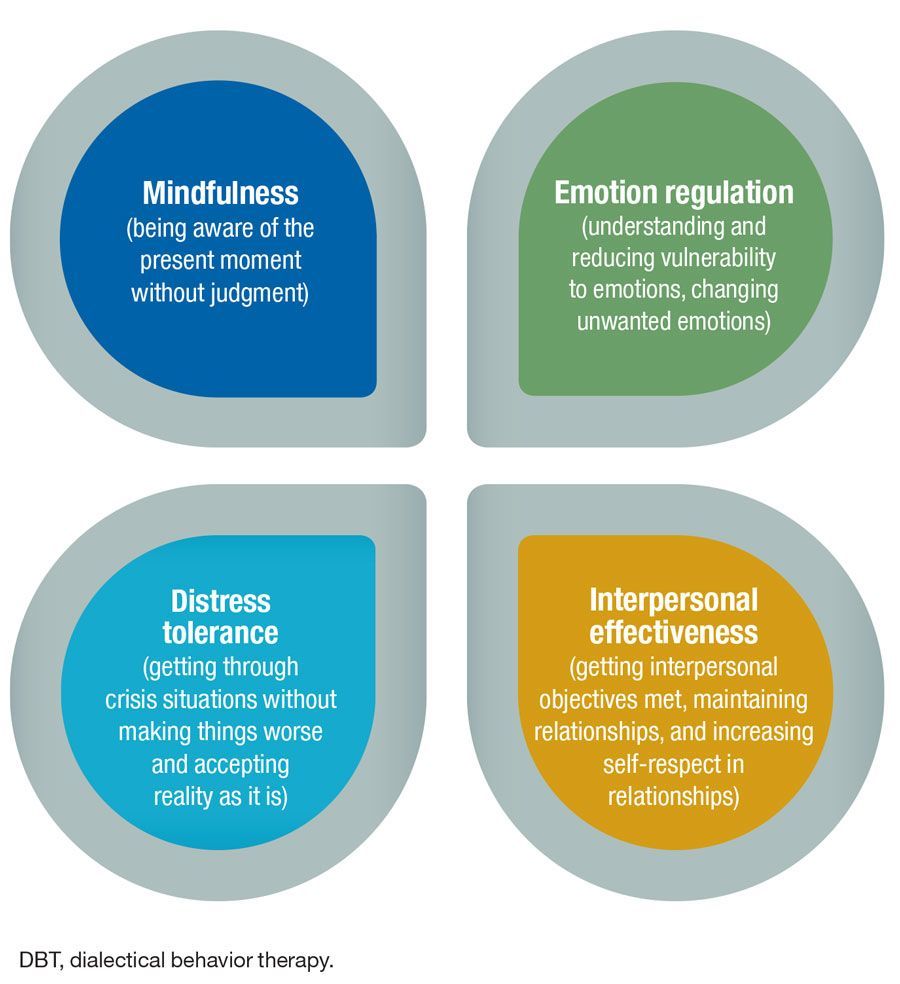
Discover what to expect from Wise-Mind DBT Brisbane’s 13-week skills group, covering mindfulness, emotion regulation, distress tolerance and relationships.