
Borderline Personality Disorder and the Underlying Fear of Abandonment
Jean-Gabrielle Short • April 7, 2024
The Fear
Fear of abandonment is a critical concept initially identified as part of Borderline Personality Disorder symptomatology. The research suggests that this experience can be attributed to early insecure attachment to primary caregivers. This phenomenon is also known as 'fear of aloneness,' and this fear can influence individuals to form unstable and intense relationships, which can swing between idealisation and devaluation of partners and friends. It stems from an intolerance of solitude, driving behaviours that either cling to harmful relationships or abruptly sever positive ones. Individuals who experience this symptom often engage in angry outbursts, threats of self-harm, or impulsive actions which are intended to prevent the departure of a loved one.
The experience of fear of abandonment is profoundly unsettling and manifests in behaviours that sabotage the potential for healthy relationships. One individual describes the sensation vividly "Although I would be in relationships, I would still feel this gaping hole deep within, and my destructive behaviour would result in my efforts to avoid feeling or being alone with myself." This statement encapsulates the paradox of seeking connection while simultaneously fearing the vulnerability it entails.
The individual's strategy to mitigate this fear involved maintaining multiple relationships simultaneously, a practice referred to as keeping "multiple back doors open," including a "just in case" person. This approach, aimed at avoiding the pain of abandonment, ironically prevents the formation of a "healthy commitment," revealing a self-sabotaging pattern borne out of fear.
The physical and emotional turmoil associated with the fear of abandonment is further detailed as the individual describes the overwhelming sensation of a "gaping hole" that makes it feel as though "my skin were crawling, as if my insides were trying to escape outside." This intense emotional distress manifests in frantic pacing, self-harm, and ultimately, an escape into substance abuse, illustrating the desperate measures taken to alleviate the pain of anticipated abandonment.
The DBT module most recommended for managing the fear of abandonment is the use of Interpersonal Effectiveness skills, and this week we will look at the DEARMAN skill. This skill is particularly focused on helping individuals communicate more effectively and assertively in relationships, to build and maintain positive relationships, and manage conflict and difficult relationship situations in ways that respect an individual's own needs and the needs of others.
DEAR MAN: Is An acronym that stands for Describe, Express, Assert, Reinforce, Mindful, Appear confident, and Negotiate and this technique helps individuals communicate their needs or desires in a clear and assertive way while maintaining respect for self and other people.
Over the coming week we will explore this skill further, emphasising practical applications and strategies to navigate the complex feelings of abandonment with compassion and understanding, aiming to empower you to forge healthier relationships and a stronger sense of self-worth.
Wise-Mind Matters

Learn how Complex PTSD affects emotions, identity and relationships, and how DBT skills can support safety, stability, healthy boundaries and lasting self-trust.

Learn how autistic masking affects identity, emotional regulation and burnout, and how neurodiversity-affirming DBT can support safer, sustainable unmasking.

Learn why autistic burnout is not avoidance, how rest supports nervous system recovery, and how autism-affirming DBT can help rebuild sustainable capacity.

Learn how ADHD-related impulsivity affects emotions, relationships and daily life, and how practical DBT skills can create more pause, choice and self-control.

xplore anger through a DBT lens, including emotional vulnerability, nervous system activation and practical skills to reduce escalation and respond effectively.

Learn why meaningful change does not follow the calendar, and how DBT supports steady emotional, behavioural and identity growth through practice over time.

Learn why change feels difficult and how DBT uses acceptance, willingness and practical skills to reduce resistance, build confidence and help you move forward.

Learn how DBT chain analysis uncovers the links behind problem behaviours, reduces shame, builds accountability and creates practical pathways to lasting change.

Learn how emotional vulnerability and self-invalidation intensify distress, and how DBT skills build self-validation, balance and more compassionate coping.
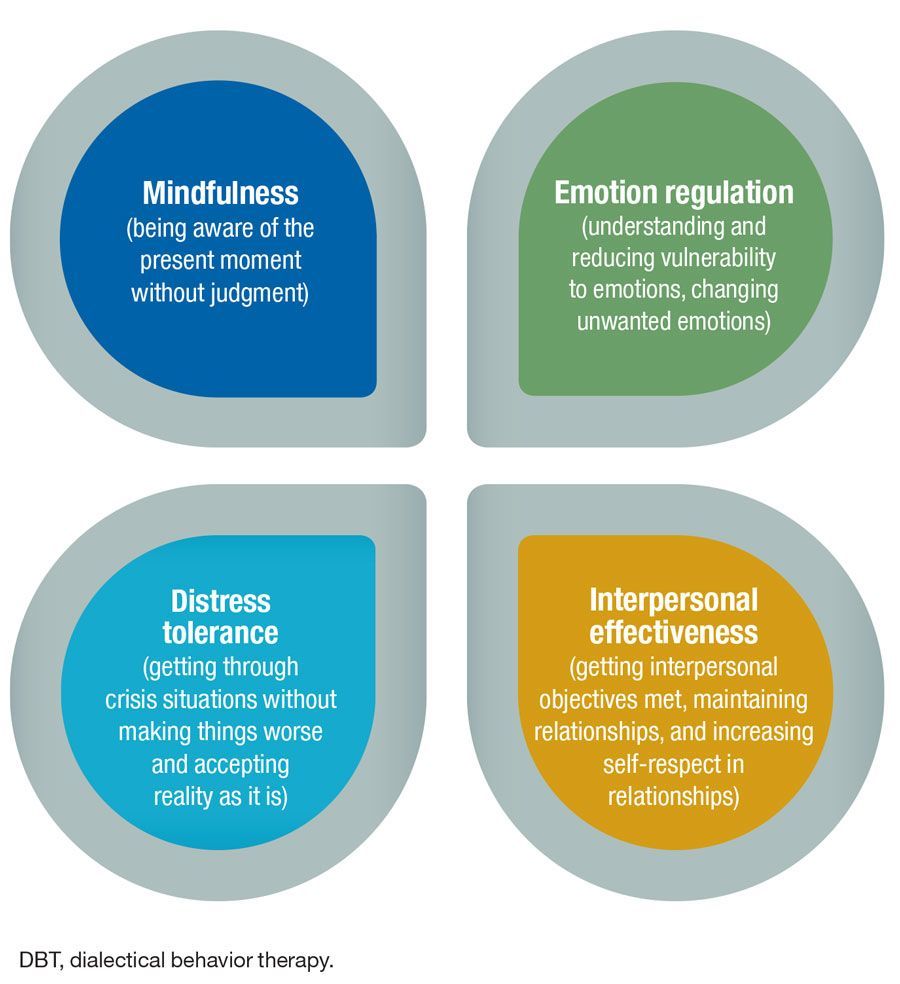
Discover what to expect from Wise-Mind DBT Brisbane’s 13-week skills group, covering mindfulness, emotion regulation, distress tolerance and relationships.