
Nothing and Everything
Jean-Gabrielle Short • April 16, 2024
A mindful approach to the experience of chronic emptiness
Do you ever feel disconnected, as if you're just going through the motions without truly living? Feelings of chronic emptiness can create an overwhelming sense of living a life in limbo, and disconnection for individuals. Clients have described the experience of emptiness as akin to being "a body without self" or existing in a state of "nothingness". Sometimes clients say that they feel “everything, and then nothing.” At Wise-Mind DBT Brisbane, we understand how deeply this can affect your sense of self and emotional well-being.
Chronic emptiness has long been recognised as a core symptom of Borderline Personality Disorder. Many early theorists in the field talked about an internal void, a feeling of emptiness inside, even when a person seems to be functioning well externally. People experiencing this may feel like they lack genuine emotional responses and often adapt their personalities to fit into different relationships and situations. This can lead to significant challenges in how they see themselves and interact with others, impacting their personal and emotional life deeply.
At the heart of our therapeutic approach is mindfulness, a core component of DBT, and the research indicates that mindfulness can significantly reduce symptoms of chronic emptiness. These improvements were attributed not only to the mindfulness skills but also to the supportive, validating community that DBT fosters.
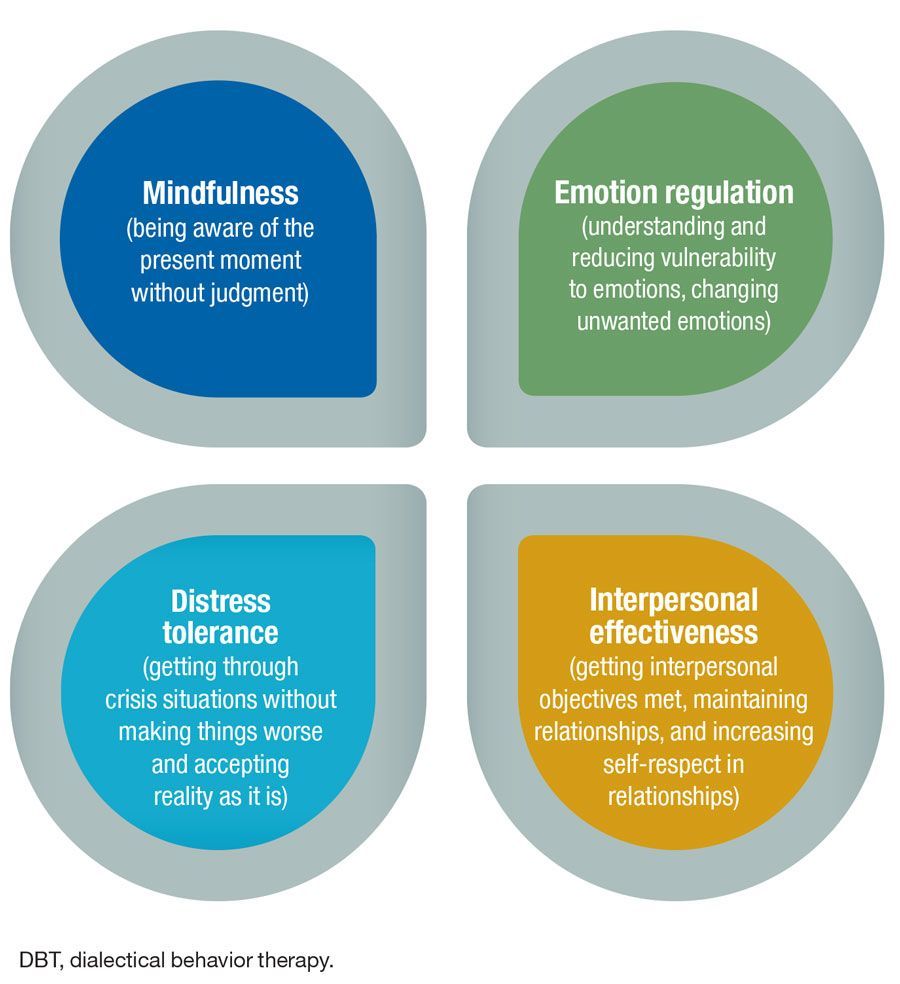
Mindfulness helps cultivate a nurturing, non-judgmental awareness of the present moment, allowing you to observe and manage your thoughts and emotions more effectively. In DBT, mindfulness consists of essential skills grouped into "What" and "How" categories. The "What" skills—observing, describing, and participating—help you recognize and label your experiences clearly. The "How" skills—acting non-judgmentally, one-mindfully, and effectively—guide you to respond to life's challenges with greater calm and effectiveness. By practicing these skills, you can achieve a balanced state of mind, enhancing both emotional and rational thoughts through what we call the "Wise Mind."
This week, let's explore the power of Wise Mind together. By integrating your emotional and rational minds, we aim to empower you to build a fulfilling life, one mindful moment at a time. Join us on this journey to transform your experience of emptiness into a life rich with presence and purpose.
Wise-Mind Matters

Learn how Complex PTSD affects emotions, identity and relationships, and how DBT skills can support safety, stability, healthy boundaries and lasting self-trust.

Learn how autistic masking affects identity, emotional regulation and burnout, and how neurodiversity-affirming DBT can support safer, sustainable unmasking.

Learn why autistic burnout is not avoidance, how rest supports nervous system recovery, and how autism-affirming DBT can help rebuild sustainable capacity.

Learn how ADHD-related impulsivity affects emotions, relationships and daily life, and how practical DBT skills can create more pause, choice and self-control.

xplore anger through a DBT lens, including emotional vulnerability, nervous system activation and practical skills to reduce escalation and respond effectively.

Learn why meaningful change does not follow the calendar, and how DBT supports steady emotional, behavioural and identity growth through practice over time.

Learn why change feels difficult and how DBT uses acceptance, willingness and practical skills to reduce resistance, build confidence and help you move forward.

Learn how DBT chain analysis uncovers the links behind problem behaviours, reduces shame, builds accountability and creates practical pathways to lasting change.

Learn how emotional vulnerability and self-invalidation intensify distress, and how DBT skills build self-validation, balance and more compassionate coping.
Discover what to expect from Wise-Mind DBT Brisbane’s 13-week skills group, covering mindfulness, emotion regulation, distress tolerance and relationships.