Embracing Your Wise Mind: Mindfulness in Action
Jean-Gabrielle Short • April 21, 2024
In Dialectical Behaviour Therapy, the concept of "Wise Mind" is central to fostering emotional regulation and resilience. This therapeutic strategy will help you achieve a balanced state of mind that incorporates both emotional and rational responses. The Wise Mind skill is particularly pivotal as it represents the integration of two key states: "Reasonable Mind" and "Emotion Mind." Understanding and practicing Wise Mind can significantly enhance your ability to manage difficult emotions and make practical decisions.
Understanding Wise Mind
Wise Mind is not a state that negates or dilutes emotional responses, nor is it purely driven by logical reasoning. Rather, it is an integrative process that acknowledges the value of both emotional experiences and rational thought processes.
Understanding Wise Mind
Wise Mind is not a state that negates or dilutes emotional responses, nor is it purely driven by logical reasoning. Rather, it is an integrative process that acknowledges the value of both emotional experiences and rational thought processes.
Reasonable Mind
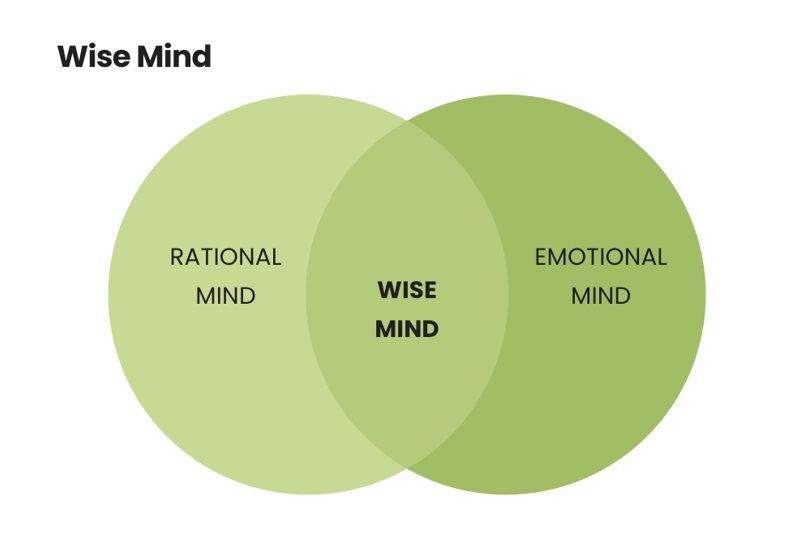
This is the state of being where logic, facts, and empirical knowledge rule. It is cold, rational, and task-focused. When in Reasonable Mind, you’re likely to prioritize what makes sense or what can be measured.
Emotional Mind
In contrast, Emotion Mind is driven by feelings, emotions, and personal experiences. This state is warm, sometimes volatile, and can be overwhelming. Decisions from Emotion Mind are based purely on what feels right or what aligns with your current emotional state.
Wise Mind
Wise Mind is the deep sense of intuitive knowing that arises when we can balance and acknowledge these two sides. It is the “middle path” in DBT, allowing for decisions that incorporate a respectful balance of emotional and factual information. This state is often described as knowing something in your heart, in your gut, and in your head.
How to Access Wise Mind
Accessing your Wise Mind requires practice and mindfulness. Here are some strategies to help cultivate this balanced state of mind:
1. Mindfulness Meditation:
Regular mindfulness practices such as breathing exercises, guided imagery, or body scans can enhance one’s ability to remain present and connected to both emotional and rational cues
2. Check the Facts:
This DBT skill involves questioning whether your emotions fit the facts of the situation. It helps determine if you are reacting based on Emotion Mind or if there is a need to bring in more of the Reasonable Mind perspective.
3. Pros and Cons:
Weighing the pros and cons of a decision can help integrate logical reasoning with emotional understanding, paving the way towards Wise Mind decisions.
4. Pausing and Reflecting:
Often, simply taking a moment to pause and ask oneself, "What would Wise Mind say?" can provide significant insights and guide one towards more balanced decisions.
Incorporating Wise Mind into your daily decision-making processes can lead to more balanced, effective, and satisfying life choices. For those navigating through emotional turbulence or facing difficult decisions, tapping into Wise Mind can be a powerful way to achieve clarity and peace. As therapists, we encourage clients to explore and develop their Wise Mind to facilitate reflective personal growth and emotional resilience.
Wise-Mind Matters

Learn how Complex PTSD affects emotions, identity and relationships, and how DBT skills can support safety, stability, healthy boundaries and lasting self-trust.

Learn how autistic masking affects identity, emotional regulation and burnout, and how neurodiversity-affirming DBT can support safer, sustainable unmasking.

Learn why autistic burnout is not avoidance, how rest supports nervous system recovery, and how autism-affirming DBT can help rebuild sustainable capacity.

Learn how ADHD-related impulsivity affects emotions, relationships and daily life, and how practical DBT skills can create more pause, choice and self-control.

xplore anger through a DBT lens, including emotional vulnerability, nervous system activation and practical skills to reduce escalation and respond effectively.

Learn why meaningful change does not follow the calendar, and how DBT supports steady emotional, behavioural and identity growth through practice over time.

Learn why change feels difficult and how DBT uses acceptance, willingness and practical skills to reduce resistance, build confidence and help you move forward.

Learn how DBT chain analysis uncovers the links behind problem behaviours, reduces shame, builds accountability and creates practical pathways to lasting change.

Learn how emotional vulnerability and self-invalidation intensify distress, and how DBT skills build self-validation, balance and more compassionate coping.
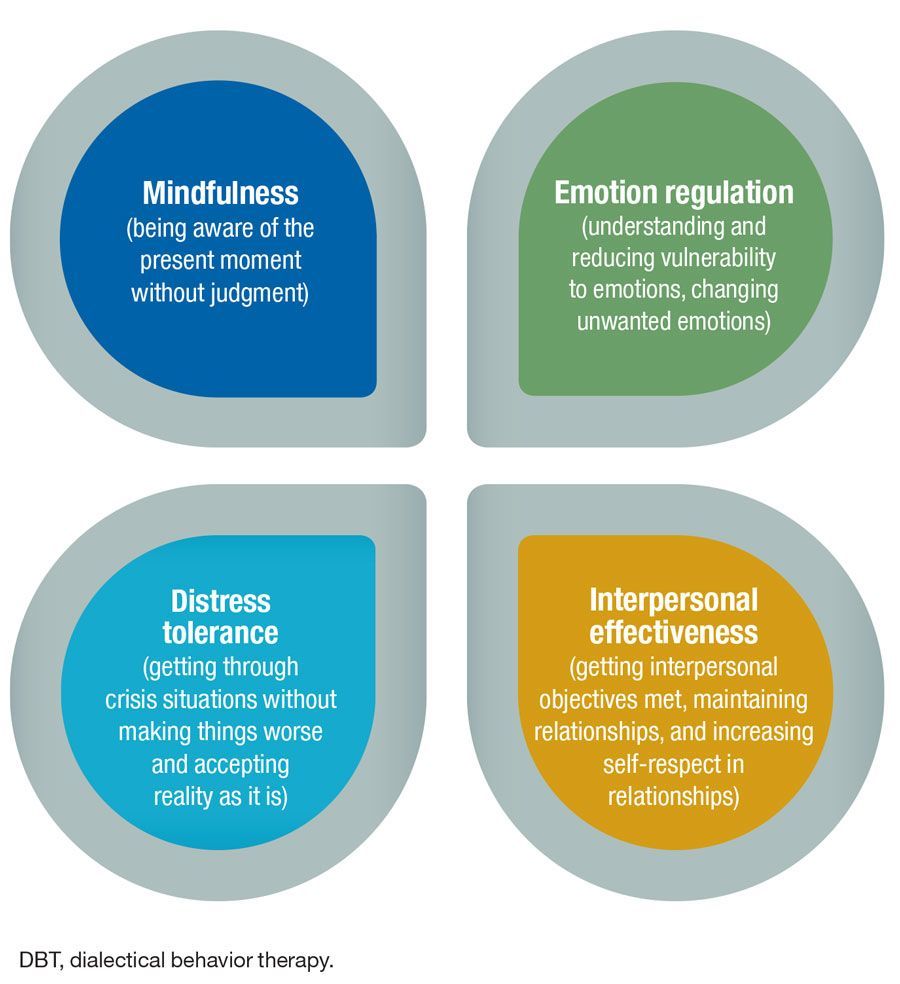
Discover what to expect from Wise-Mind DBT Brisbane’s 13-week skills group, covering mindfulness, emotion regulation, distress tolerance and relationships.