What are Cognitive Distortions?
Jean-Gabrielle Short • May 14, 2024
Cognitive distortions are those tricky, unhelpful thoughts that sneak into our minds, distorting our perceptions and exacerbating our struggles.
One prevalent cognitive distortion in BPD is emotional reasoning:
This is when individuals interpret their emotions as evidence of objective reality. For instance, feeling anxious might lead one to believe that a situation is inherently dangerous, even if there is no actual threat. This conflation of emotions with facts can result in impulsive decisions and actions driven by transient feelings rather than rational thought.
Examples of Cognitive Distortions in BPD
1. Black and White Thinking (All-or-Nothing Thinking): Individuals with BPD often perceive situations, themselves, and others in extremes. For example, they may view a friend as either completely trustworthy or utterly deceitful, with no middle ground. This rigid thinking can lead to intense emotional swings and unstable relationships, as they struggle to reconcile the complexities and nuances of reality.
2. Catastrophising: Catastrophising involves anticipating the worst possible outcome in any situation. For someone with BPD, a minor disagreement with a loved one might be perceived as a precursor to abandonment or the end of the relationship. This tendency to expect disaster can create overwhelming anxiety and exacerbate fears of rejection and isolation.
3. Mind Reading: This distortion occurs when individuals assume they know what others are thinking, often attributing negative thoughts or intentions without evidence. A person with BPD might believe that a friend's brief text message indicates anger or disinterest, leading to feelings of insecurity and preemptive withdrawal or confrontation.
4. Personalisation: Personalisation involves attributing blame to oneself for events outside one's control or interpreting external events as being directly related to oneself. For example, someone with BPD might believe that a colleague's bad mood is a result of something they did, fostering guilt and self-blame even when there is no connection.
How can DBT assist with unhelpful Cognitive Distortions?
The following DBT skill is particularly helpful when dealing with unhelpful cognitive distortions:
Check the Facts
This skill involves examining the evidence for and against a belief or assumption to determine its accuracy. By checking the facts, individuals can challenge cognitive distortions and develop a more balanced perspective. This process helps differentiate between emotions and reality, reducing the impact of irrational thoughts.
How to Use the Check the Facts Skill
The "Check the Facts" skill involves several steps:
Identify the Emotion or Thought:
Recognise the emotion you are feeling or the thought you are having. Describe it in detail. For example, you might be feeling intense anxiety or believing that a friend is upset with you.
Describe the Situation:
Objectively describe the situation that triggered the emotion or thought. Avoid subjective interpretations and stick to the observable facts.
Identify the Interpretation or Assumption:
Identify the interpretation or assumption you have made about the situation. This often involves recognising the cognitive distortion at play, such as mind reading or catastrophising.
Examine the Evidence:
Gather evidence that supports and contradicts your interpretation or assumption. Ask yourself questions like:
What are the facts that support my belief?
What are the facts that do not support my belief?
Are there other possible explanations for what happened?
Determine Whether the Emotion or Thought Fits the Facts:
Based on the evidence, decide whether your initial emotion or thought is justified. If it doesn't fit the facts, consider adjusting your interpretation or response.
Act According to the New Interpretation:
If your initial interpretation was inaccurate, decide on a more appropriate response based on the revised understanding of the situation.
Do you find yourself grappling with unhelpful cognitive distortions that impact your emotional well-being and relationships? If you resonate with the experiences described and are seeking effective ways to manage your thoughts and emotions, contact us at Wise-Mind DBT Brisbane. Our service specialise in helping individuals navigate the challenges of Borderline Personality Disorder and Complex PTSD with Dialectical Behaviour Therapy.
Contact us today to learn more about how we can work together to develop healthier thinking patterns and improve your quality of life. Take the first step towards positive change—reach out and start your journey towards emotional resilience and well-being.
Wise-Mind Matters

Learn how Complex PTSD affects emotions, identity and relationships, and how DBT skills can support safety, stability, healthy boundaries and lasting self-trust.

Learn how autistic masking affects identity, emotional regulation and burnout, and how neurodiversity-affirming DBT can support safer, sustainable unmasking.

Learn why autistic burnout is not avoidance, how rest supports nervous system recovery, and how autism-affirming DBT can help rebuild sustainable capacity.

Learn how ADHD-related impulsivity affects emotions, relationships and daily life, and how practical DBT skills can create more pause, choice and self-control.

xplore anger through a DBT lens, including emotional vulnerability, nervous system activation and practical skills to reduce escalation and respond effectively.

Learn why meaningful change does not follow the calendar, and how DBT supports steady emotional, behavioural and identity growth through practice over time.

Learn why change feels difficult and how DBT uses acceptance, willingness and practical skills to reduce resistance, build confidence and help you move forward.

Learn how DBT chain analysis uncovers the links behind problem behaviours, reduces shame, builds accountability and creates practical pathways to lasting change.

Learn how emotional vulnerability and self-invalidation intensify distress, and how DBT skills build self-validation, balance and more compassionate coping.
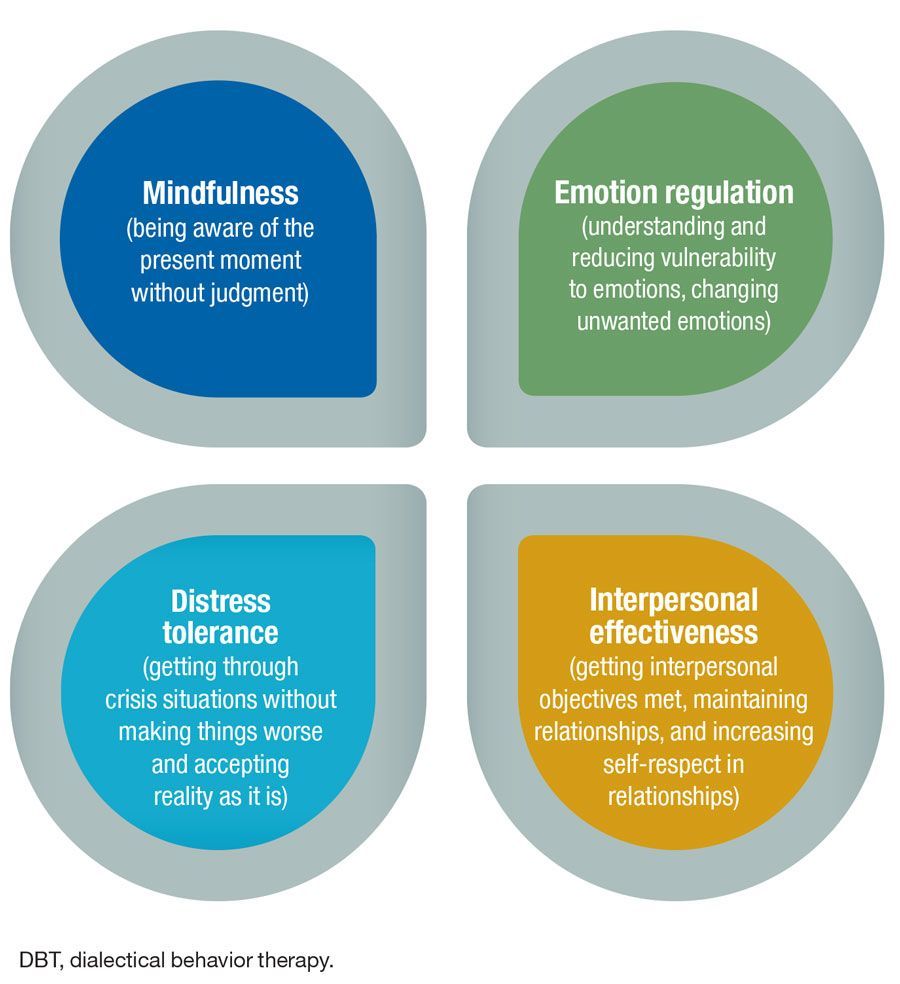
Discover what to expect from Wise-Mind DBT Brisbane’s 13-week skills group, covering mindfulness, emotion regulation, distress tolerance and relationships.