
Facing Reality: The Essential Skill of Radical Acceptance in Dialectical Behaviour Therapy
Jean-Gabrielle Short • May 19, 2024
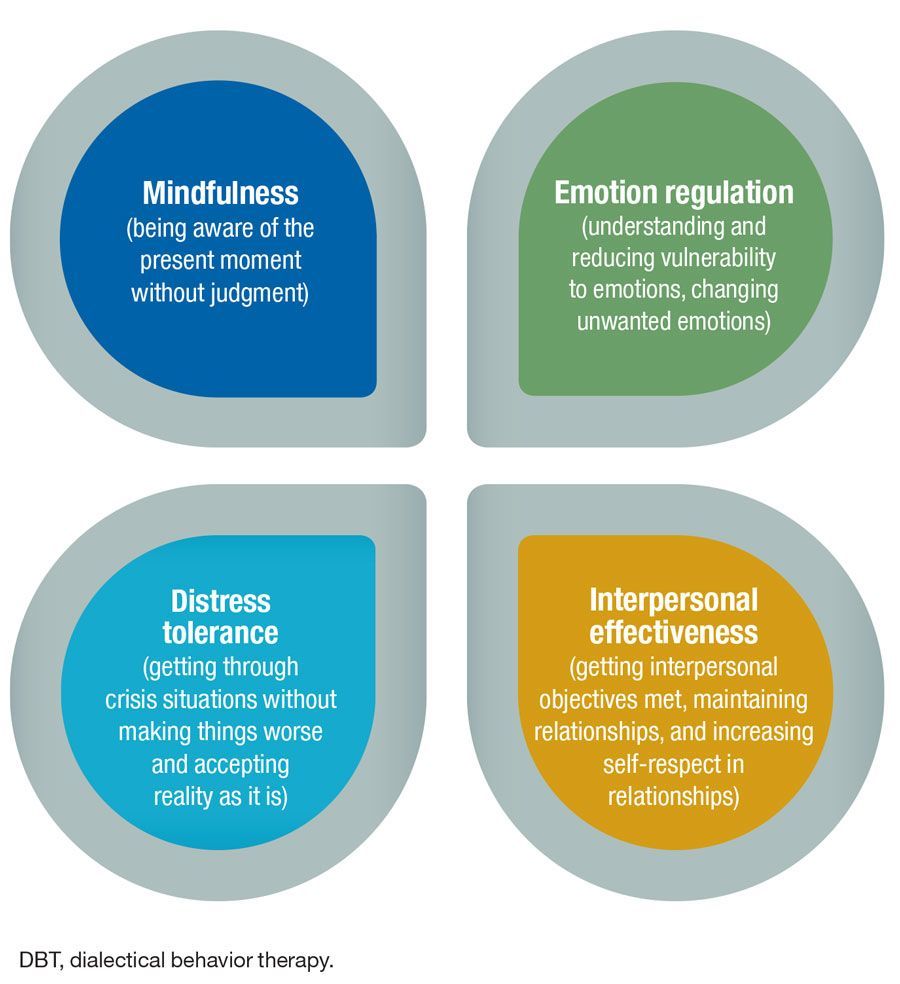
Radical Acceptance in DBT is a Distress Tolerance skill, and it stands as one of the most transformative and foundational skills available to those who are struggling with their emotions. For individuals grappling with intense emotional challenges, Radical Acceptance offers a pathway to peace and resilience. It is a skill that invites individuals to fully acknowledge and embrace their current reality, without judgment, resistance, or avoidance. This acceptance is not about approval or resignation but about seeing things as they are, which can be profoundly liberating.
Radical acceptance is the practice of completely and totally accepting something from the depths of your soul, with your heart and your mind. This practice is crucial in DBT because many of the problems faced by those with BPD are exacerbated by an inability to accept painful realities. When faced with distressing situations, the instinctual response is often to reject or fight against the reality, which can intensify emotional suffering. By accepting the reality of a situation, individuals can reduce the additional suffering caused by resistance and begin to address the actual problem.
Radical acceptance, while profoundly transformative, is undeniably challenging. It requires an immense amount of courage and inner strength to face and acknowledge painful realities without resistance or judgment. This difficulty arises from our natural inclination to reject or deny distressing situations, as well as the intense emotions that often accompany them. However, it is crucial to understand that radical acceptance does not imply approval or endorsement of the negative events or circumstances that have occurred. Instead, it is a recognition of reality as it is, which allows us to address our suffering more effectively. By accepting the truth of our experiences, we can begin to heal and move forward, rather than remaining trapped in a cycle of denial and resistance.
This concept of Radical Acceptance is complemented by the DBT skill known as "Turn the Mind." The "Turn the Mind" skill is a practical method to shift one's perspective and attitude towards acceptance. It involves a deliberate and conscious decision to accept reality as it is, which can be particularly challenging when faced with painful or uncomfortable truths. Turning the mind towards acceptance is a moment-to-moment practice, especially when the temptation to reject reality is strong.
The process of turning the mind involves several steps. First, it requires recognition of the need to accept reality. This awareness often comes with the understanding that fighting against reality only increases suffering. Next, individuals must make an inner commitment to accept the situation. This decision is often accompanied by a sense of inner peace, even if the external circumstances remain unchanged. Finally, turning the mind requires practice and persistence, as the pull towards non-acceptance can be strong, especially in moments of high emotional distress.
Radical acceptance and the "Turn the Mind" skill are particularly powerful because they address the root of emotional suffering rather than just the symptoms. When individuals can accept their reality, they are better equipped to respond to it in a balanced and effective manner. This acceptance allows for clearer thinking, more adaptive emotional responses, and healthier decision-making. In essence, radical acceptance creates a foundation upon which other DBT skills can be built and effectively utilised.
Moreover, the practice of radical acceptance fosters a sense of inner strength and resilience. It teaches individuals that they can endure difficult emotions and situations without being overwhelmed or destroyed by them. This resilience is crucial for those with BPD, who often experience intense and rapidly shifting emotions. By accepting these emotions rather than fighting against them, individuals can navigate their emotional landscape more effectively.
For those considering DBT, understanding and practicing radical acceptance can be a transformative step towards healing and growth. It is a skill that requires patience, dedication, and self-compassion. As individuals learn to turn their minds towards acceptance, they begin to break free from the cycle of suffering and move towards a life of greater peace and fulfillment.
Til next week,
Jean
Radical acceptance is the practice of completely and totally accepting something from the depths of your soul, with your heart and your mind. This practice is crucial in DBT because many of the problems faced by those with BPD are exacerbated by an inability to accept painful realities. When faced with distressing situations, the instinctual response is often to reject or fight against the reality, which can intensify emotional suffering. By accepting the reality of a situation, individuals can reduce the additional suffering caused by resistance and begin to address the actual problem.
Radical acceptance, while profoundly transformative, is undeniably challenging. It requires an immense amount of courage and inner strength to face and acknowledge painful realities without resistance or judgment. This difficulty arises from our natural inclination to reject or deny distressing situations, as well as the intense emotions that often accompany them. However, it is crucial to understand that radical acceptance does not imply approval or endorsement of the negative events or circumstances that have occurred. Instead, it is a recognition of reality as it is, which allows us to address our suffering more effectively. By accepting the truth of our experiences, we can begin to heal and move forward, rather than remaining trapped in a cycle of denial and resistance.
This concept of Radical Acceptance is complemented by the DBT skill known as "Turn the Mind." The "Turn the Mind" skill is a practical method to shift one's perspective and attitude towards acceptance. It involves a deliberate and conscious decision to accept reality as it is, which can be particularly challenging when faced with painful or uncomfortable truths. Turning the mind towards acceptance is a moment-to-moment practice, especially when the temptation to reject reality is strong.
The process of turning the mind involves several steps. First, it requires recognition of the need to accept reality. This awareness often comes with the understanding that fighting against reality only increases suffering. Next, individuals must make an inner commitment to accept the situation. This decision is often accompanied by a sense of inner peace, even if the external circumstances remain unchanged. Finally, turning the mind requires practice and persistence, as the pull towards non-acceptance can be strong, especially in moments of high emotional distress.
Radical acceptance and the "Turn the Mind" skill are particularly powerful because they address the root of emotional suffering rather than just the symptoms. When individuals can accept their reality, they are better equipped to respond to it in a balanced and effective manner. This acceptance allows for clearer thinking, more adaptive emotional responses, and healthier decision-making. In essence, radical acceptance creates a foundation upon which other DBT skills can be built and effectively utilised.
Moreover, the practice of radical acceptance fosters a sense of inner strength and resilience. It teaches individuals that they can endure difficult emotions and situations without being overwhelmed or destroyed by them. This resilience is crucial for those with BPD, who often experience intense and rapidly shifting emotions. By accepting these emotions rather than fighting against them, individuals can navigate their emotional landscape more effectively.
For those considering DBT, understanding and practicing radical acceptance can be a transformative step towards healing and growth. It is a skill that requires patience, dedication, and self-compassion. As individuals learn to turn their minds towards acceptance, they begin to break free from the cycle of suffering and move towards a life of greater peace and fulfillment.
Til next week,
Wise-Mind Matters

Learn how Complex PTSD affects emotions, identity and relationships, and how DBT skills can support safety, stability, healthy boundaries and lasting self-trust.

Learn how autistic masking affects identity, emotional regulation and burnout, and how neurodiversity-affirming DBT can support safer, sustainable unmasking.

Learn why autistic burnout is not avoidance, how rest supports nervous system recovery, and how autism-affirming DBT can help rebuild sustainable capacity.

Learn how ADHD-related impulsivity affects emotions, relationships and daily life, and how practical DBT skills can create more pause, choice and self-control.

xplore anger through a DBT lens, including emotional vulnerability, nervous system activation and practical skills to reduce escalation and respond effectively.

Learn why meaningful change does not follow the calendar, and how DBT supports steady emotional, behavioural and identity growth through practice over time.

Learn why change feels difficult and how DBT uses acceptance, willingness and practical skills to reduce resistance, build confidence and help you move forward.

Learn how DBT chain analysis uncovers the links behind problem behaviours, reduces shame, builds accountability and creates practical pathways to lasting change.

Learn how emotional vulnerability and self-invalidation intensify distress, and how DBT skills build self-validation, balance and more compassionate coping.
Discover what to expect from Wise-Mind DBT Brisbane’s 13-week skills group, covering mindfulness, emotion regulation, distress tolerance and relationships.