
Biosocial Theory
Jean-Gabrielle Short • June 11, 2024
BPD Basics: Emotions and Environment
This week we explore Biosocial Theory and its role in understanding the development of Borderline Personality Disorder (BPD). This post aims to provide you with a compassionate and strengths-based perspective, empowering you with knowledge and hope for recovery through Dialectical Behaviour Therapy (DBT).
What is the Biosocial Theory?
Biosocial Theory offers a comprehensive context for understanding how BPD develops. According to this theory, BPD arises from the interplay between biological predispositions and social environmental factors. It posits that individuals with BPD are born with a heightened sensitivity to emotional stimuli, which can be exacerbated by invalidating environments.
Let's break this down further.
Biological Sensitivity
People with BPD often have an innate biological sensitivity to emotions. This means they experience emotions more intensely, more quickly, and for longer durations than others. This heightened emotional sensitivity is a strength as it indicates a deep capacity for emotional connection and empathy. However, without effective coping strategies, it can also lead to emotional overwhelm.
Invalidating Environment
An invalidating environment is one where an individual's emotional experiences are dismissed, ignored, or punished. This environment can occur in various settings, including family, school, or peer relationships. When a person with high emotional sensitivity grows up in such an environment, they may struggle to understand and manage their emotions effectively.
Invalidation can take many forms, such as:
• Minimising Feelings: Comments like "You're overreacting" or "It's not a big deal" can make individuals feel that their emotions are not valid.
• Criticism: Constant criticism or punishment for emotional expression can lead to self-doubt and a negative self-image.
• Inconsistent Responses: Unpredictable or inconsistent responses to emotional needs can create confusion and insecurity.
Development of BPD
The interaction between biological sensitivity and an invalidating environment can contribute to the development of BPD. Over time, individuals may develop maladaptive coping mechanisms to manage their intense emotions. These might include self-harm, impulsive behaviours, and difficulty in maintaining stable relationships. It's important to note that BPD is not a result of personal failure or weakness but rather a response to challenging circumstances.
The Role of Invalidating Environments in Exacerbating BPD Symptoms
Invalidating environments play a significant role in exacerbating the symptoms of BPD. When individuals with high emotional sensitivity repeatedly experience invalidation, they may internalise the belief that their emotions are wrong or unacceptable. This internalised invalidation can lead to chronic self-doubt, shame, and difficulty trusting one's own emotional experiences. As a result, individuals may resort to extreme measures, such as self-harm or impulsive behaviours, to cope with their intense and often misunderstood emotions. Furthermore, the lack of consistent emotional support and validation can impede the development of effective emotional regulation skills, making it harder for individuals to navigate their emotional landscape healthily and constructively. Therefore, addressing the impact of invalidating environments is crucial in the therapeutic process to foster a sense of self-worth and emotional stability.
The Role of DBT in Recovery
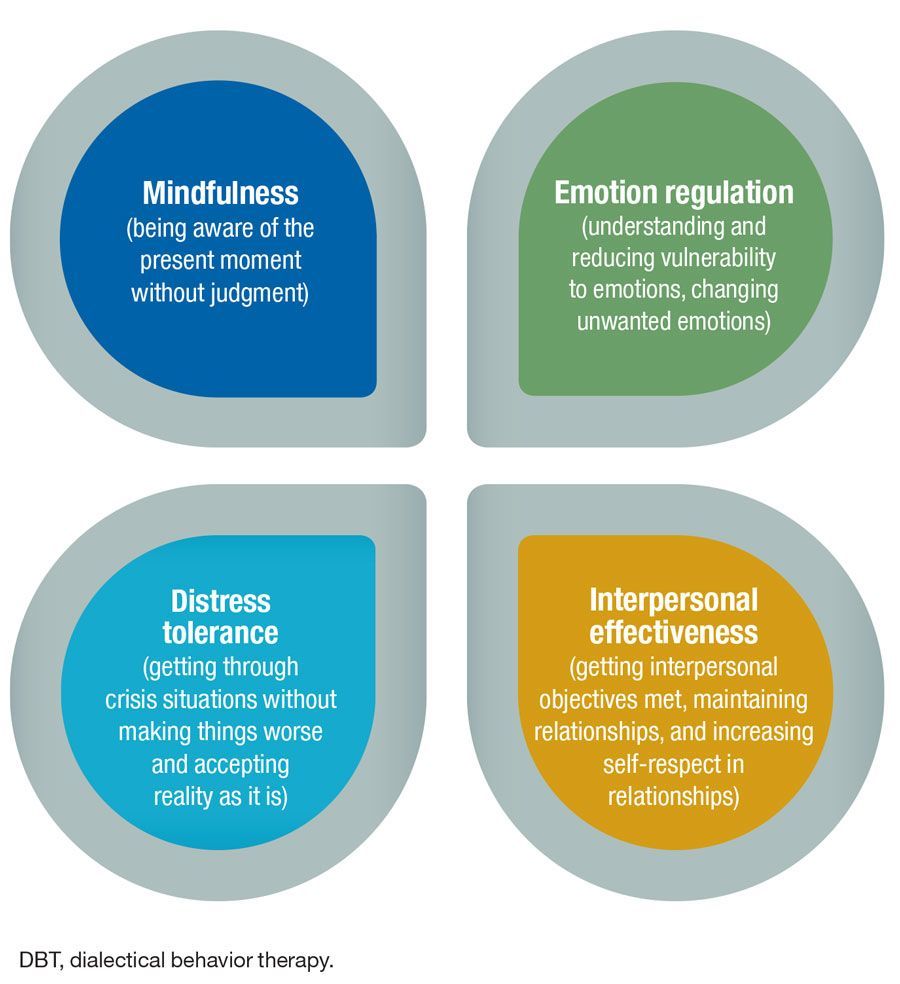
Dialectical Behaviour Therapy (DBT) is specifically designed to address the challenges faced by individuals with BPD. DBT provides a structured and supportive environment where clients can learn to manage their emotions and develop healthier coping strategies. Here's how DBT can help:
1. Mindfulness: DBT teaches mindfulness skills to help individuals become more aware of their thoughts, feelings, and behaviours in a non-judgmental way. This awareness is the first step toward emotional regulation.
2. Distress Tolerance: DBT equips individuals with skills to tolerate distress and manage crises without resorting to harmful behaviours or making the situation worse. These skills empower individuals to navigate challenging situations with resilience.
3. Emotion Regulation: DBT provides tools to understand and regulate intense emotions. By learning to identify and label emotions accurately, individuals can respond to their feelings in a balanced and constructive manner.
4. Interpersonal Effectiveness: DBT helps individuals improve their communication and relationship skills. This fosters healthier, more stable relationships and reduces interpersonal conflicts.
A Strengths-Based Approach
At Wise-Mind DBT Brisbane we believe in a strengths-based approach to therapy. This means we focus on your inherent strengths and potential rather than your deficits. Here are some strengths we celebrate in individuals with BPD:
• Emotional Intensity: Your capacity for deep emotional experiences is a gift that allows for profound empathy and connection with others.
• Resilience: Despite the challenges you face, your ability to seek help and work towards healing demonstrates immense courage and resilience.
• Creativity: Many individuals with BPD are highly creative and use their emotional depth to create meaningful art, music, and writing.
• Passion: Your intense emotions often translate into a passionate commitment to causes and relationships that matter to you.
Understanding Biosocial Theory provides valuable insight into the development of BPD. It highlights the importance of addressing both biological sensitivities and environmental factors in treatment.
If you are considering engaging in DBT, know that you are taking a positive and proactive step towards your well-being. With the right support and skills, you can learn to navigate your emotions, build healthier relationships, and lead a fulfilling life.
Remember, your journey towards recovery is unique, and your strengths are your greatest allies. We are here to support you every step of the way.
Til next week,
Jean
Wise-Mind Matters

Learn how Complex PTSD affects emotions, identity and relationships, and how DBT skills can support safety, stability, healthy boundaries and lasting self-trust.

Learn how autistic masking affects identity, emotional regulation and burnout, and how neurodiversity-affirming DBT can support safer, sustainable unmasking.

Learn why autistic burnout is not avoidance, how rest supports nervous system recovery, and how autism-affirming DBT can help rebuild sustainable capacity.

Learn how ADHD-related impulsivity affects emotions, relationships and daily life, and how practical DBT skills can create more pause, choice and self-control.

xplore anger through a DBT lens, including emotional vulnerability, nervous system activation and practical skills to reduce escalation and respond effectively.

Learn why meaningful change does not follow the calendar, and how DBT supports steady emotional, behavioural and identity growth through practice over time.

Learn why change feels difficult and how DBT uses acceptance, willingness and practical skills to reduce resistance, build confidence and help you move forward.

Learn how DBT chain analysis uncovers the links behind problem behaviours, reduces shame, builds accountability and creates practical pathways to lasting change.

Learn how emotional vulnerability and self-invalidation intensify distress, and how DBT skills build self-validation, balance and more compassionate coping.
Discover what to expect from Wise-Mind DBT Brisbane’s 13-week skills group, covering mindfulness, emotion regulation, distress tolerance and relationships.