
Stress Related Paranoid Ideation in Borderline Personality Disorder (BPD)
Jean-Gabrielle Short • May 31, 2024
Paranoid ideation involves having intense and irrational thoughts that others are trying to harm or deceive you. For those of us with Borderline Personality Disorder (BPD), these thoughts can make it difficult to trust others, even when there is no real threat. This often leads to unstable relationships and a tendency to view people and situations in extremes, known as splitting.
Paranoia can be seen as the mind's way of trying to protect itself from perceived threats, even if those threats are not real. The root causes often lie in heightened levels of stress and past trauma. When we experience paranoia, it triggers intense and overwhelming emotions, impairing our ability to regulate impulses and manage emotions effectively. This results in quick emotional responses, making it challenging to think, reflect, and check the facts before reacting.
The Role of the Brain in Paranoid Ideation
The amygdala, a region of the brain responsible for processing fear and emotional responses, plays a significant role in paranoid ideation. When overactive, it can lead to intense and irrational fears. For those of us with BPD, recognizing paranoid thoughts is difficult because our emotions and fears are so intense and feel very real in the moment. The brain's reaction is so strong that it can override logical thinking. Denying our paranoid thoughts can lead to escalations, as it may feel like our fears are being ignored or invalidated, increasing our anxiety and making the thoughts even more overwhelming.
Cognitive Distortions and Paranoid Ideation
Remember when we talked about cognitive distortions a couple of weeks back? Cognitive distortions can and do reinforce paranoid ideation because we might believe our intense emotions are evidence that our paranoid thoughts are true. This makes the fears feel even more real and justified. Examples of paranoid ideation in those of us with BPD include:
Thinking friends are talking behind our back without any evidence.
Believing our partner is cheating despite no proof.
Feeling that coworkers are plotting against us.
Assuming people are out to harm us when they aren't.
Thinking that others are lying to us about simple things.
Feeling watched or followed even when alone.
Interpreting neutral comments as personal attacks.
The Effectiveness of a Non-Judgmental Stance
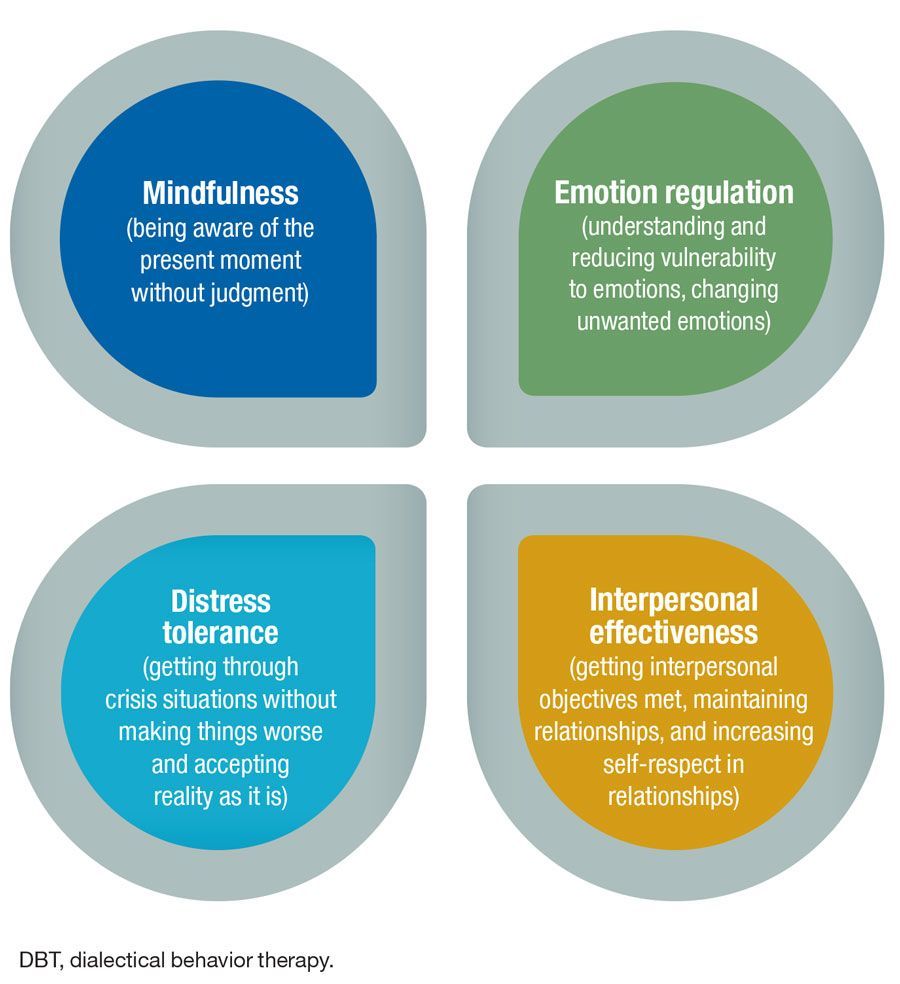
Adopting a non-judgmental stance is a powerful tool in managing symptoms of paranoia. This approach involves accepting our thoughts and feelings as they are, without labeling them as good or bad. By integrating a non-judgmental stance into our daily lives, we can reduce the intensity of our emotional responses and create a space for more rational thinking.
What is a Non-Judgmental Stance?
A non-judgmental stance is about observing our thoughts and feelings without attaching labels or judgments to them. It involves viewing our experiences with an open mind and accepting them as they come, rather than categorizing them as positive or negative. This acceptance helps us to experience our emotions fully without adding layers of self-criticism or blame.
How to Practice a Non-Judgmental Stance
Observe Without Judgment: Start by simply noticing your thoughts and feelings. Imagine you are a neutral observer, witnessing your internal experience without adding any interpretation or judgment.
Describe Your Experience: Put your observations into words. For example, instead of saying, "I'm feeling anxious," you might say, "I notice a feeling of tightness in my chest and a racing heart." This helps to separate the emotion from the judgment.
Accept Your Thoughts and Emotions: Acknowledge that your thoughts and feelings are valid, regardless of whether they seem rational. Acceptance doesn't mean you agree with or endorse them; it simply means you recognize their presence.
Practice Mindfulness: Engage in mindfulness exercises that bring your focus to the present moment. Activities like deep breathing, meditation, and mindful walking can help ground you and foster a non-judgmental attitude.
Challenge Negative Thoughts: While maintaining a non-judgmental stance, gently question whether your thoughts are based on feelings rather than facts. This helps to create a more balanced perspective without dismissing your emotions.
Self-Compassion: Treat yourself with kindness and understanding. Recognize that it’s okay to have irrational fears and intense emotions. Be gentle with yourself as you navigate these experiences.
Integrating a non-judgmental stance into your life is an effective DBT skill to manage paranoid ideation and other symptoms of BPD. By observing your thoughts and emotions without judgment, you create a space for more rational thinking and reduce the intensity of your emotional responses. Practicing mindfulness and self-compassion further supports this approach, helping you to foster emotional resilience and a more balanced, fulfilling life.
Til next week,
Jean
Wise-Mind Matters

Learn how Complex PTSD affects emotions, identity and relationships, and how DBT skills can support safety, stability, healthy boundaries and lasting self-trust.

Learn how autistic masking affects identity, emotional regulation and burnout, and how neurodiversity-affirming DBT can support safer, sustainable unmasking.

Learn why autistic burnout is not avoidance, how rest supports nervous system recovery, and how autism-affirming DBT can help rebuild sustainable capacity.

Learn how ADHD-related impulsivity affects emotions, relationships and daily life, and how practical DBT skills can create more pause, choice and self-control.

xplore anger through a DBT lens, including emotional vulnerability, nervous system activation and practical skills to reduce escalation and respond effectively.

Learn why meaningful change does not follow the calendar, and how DBT supports steady emotional, behavioural and identity growth through practice over time.

Learn why change feels difficult and how DBT uses acceptance, willingness and practical skills to reduce resistance, build confidence and help you move forward.

Learn how DBT chain analysis uncovers the links behind problem behaviours, reduces shame, builds accountability and creates practical pathways to lasting change.

Learn how emotional vulnerability and self-invalidation intensify distress, and how DBT skills build self-validation, balance and more compassionate coping.
Discover what to expect from Wise-Mind DBT Brisbane’s 13-week skills group, covering mindfulness, emotion regulation, distress tolerance and relationships.