Emotion Regulation Skills for Women with ADHD: Finding Balance and Calm
Jean-Gabrielle Short • July 23, 2024
As women with ADHD, the struggle with emotional dysregulation can be an all-too-familiar experience. Feelings of frustration, impulsivity, and overwhelming emotions can often lead to difficulties in personal and professional relationships, as well as a sense of being out of control. However, there is hope. Dialectical Behaviour Therapy (DBT), particularly its Emotion Regulation module, offers evidence-based strategies to help manage and balance emotions effectively.
Understanding Emotional Dysregulation in ADHD
Attention Deficit Hyperactivity Disorder (ADHD) is commonly associated with symptoms such as inattention, hyperactivity, and impulsivity. However, emotional dysregulation is another critical aspect of ADHD that is often overlooked. Emotional dysregulation refers to difficulties in managing and responding to emotional experiences appropriately. For women with ADHD, this can manifest as intense emotional reactions, mood swings, and difficulty calming down once upset.
Why DBT for ADHD?
Dialectical Behaviour Therapy (DBT) was originally developed by Dr. Marsha Linehan to treat Borderline Personality Disorder (BPD), a condition characterised by severe emotional dysregulation. However, over the years, DBT has proven effective for various other conditions, including ADHD. The skills taught in DBT are designed to help individuals understand and manage their emotions better, making it an excellent fit for addressing the emotional challenges associated with ADHD.
The Emotion Regulation Module
The Emotion Regulation module in DBT focuses on teaching skills to help individuals understand and manage their emotions more effectively. Here are some key components of this module and how they can benefit women with ADHD:
Understanding and Naming Emotions
One of the first steps in emotion regulation is understanding and naming your emotions. This involves recognising what you are feeling and why you are feeling it. For women with ADHD, this can be particularly helpful as it allows you to slow down and reflect on your emotional experiences instead of reacting impulsively. By identifying your emotions, you can start to see patterns and triggers that lead to emotional dysregulation.
Reducing Vulnerability to Emotion Dysregulation
DBT teaches skills to help reduce vulnerability to emotional dysregulation by taking care of your physical and mental well-being. This includes:
PLEASE Skills:
Taking care of your body through Physical health, balanced Eating, Avoiding mood-altering substances, balanced Sleep, and Exercising. These basic self-care strategies can significantly impact your emotional stability.
Building Mastery:
Engaging in activities that give you a sense of competence and achievement. This can boost your self-esteem and help you feel more in control of your emotions.
Increasing Positive Emotions
Another essential aspect of emotion regulation is increasing positive emotions in your life. This can be achieved through:
Accumulating Positive Emotions:
Doing activities that bring you joy and satisfaction regularly. This can help build resilience against negative emotions.
Building a Life Worth Living:
Setting and working towards long-term goals that align with your values and passions. This can provide a sense of purpose and direction, making it easier to manage emotional ups and downs.
Managing Negative Emotions
DBT offers practical skills for managing negative emotions when they arise. These include:
Opposite Action:
Taking action that is opposite to what your emotion is urging you to do. For example, if you feel like isolating yourself when you are sad, try reaching out to a friend instead.
Checking the Facts:
Assessing whether your emotional response is based on facts or assumptions. This can help you respond more appropriately to situations.
Mindfulness of Current Emotions:
Observing your emotions without judgment and letting them pass naturally. This can prevent you from getting overwhelmed by intense feelings.
Real-Life Applications: How DBT Emotion Regulation Skills Help Women with ADHD
To illustrate how these skills can be applied in real life, let's consider a few scenarios:
Scenario 1: Managing Impulsivity
Sarah, a woman with ADHD, often finds herself reacting impulsively when she feels frustrated at work. By using the "Opposite Action" skill, she learns to pause and take a few deep breaths before responding to stressful situations. Over time, this helps her manage her frustration more effectively and improves her relationships with colleagues.
Scenario 2: Reducing Emotional Vulnerability
Emma struggles with emotional dysregulation, particularly when she is tired and stressed. By incorporating the PLEASE skills into her daily routine, she ensures she gets enough sleep, eats balanced meals, and exercises regularly. These self-care practices help her maintain emotional stability and reduce the frequency of emotional outbursts.
Scenario 3: Building Positive Experiences
Rachel often feels overwhelmed by negative emotions and finds it hard to experience joy. By focusing on accumulating positive emotions, she starts engaging in activities she loves, such as painting and hiking. These activities help her build a reservoir of positive emotions that buffer against stress and anxiety.
The Evidence Behind DBT for ADHD
Research supports the effectiveness of DBT, particularly its Emotion Regulation module, in helping individuals with ADHD manage their emotions. Studies have shown that DBT can lead to significant improvements in emotional regulation, impulsivity, and overall functioning for people with ADHD (Hirvikoski et al., 2011; Fleming et al., 2015).
For instance, a study by Hirvikoski and colleagues (2011) found that individuals with ADHD who underwent DBT showed significant improvements in emotional regulation, impulsivity, and quality of life compared to those who did not receive the treatment. Similarly, Fleming and colleagues (2015) reported that DBT skills training led to reductions in emotional dysregulation and ADHD symptoms in adults.
Taking the First Step
Emotion regulation is a crucial aspect of managing ADHD, particularly for women who experience intense emotional reactions. DBT's Emotion Regulation module offers practical, evidence-based skills to help you understand, manage, and balance your emotions effectively. By incorporating these skills into your daily life, you can reduce emotional vulnerability, increase positive experiences, and build resilience against negative emotions. Taking the first step towards emotion regulation can lead to significant improvements in your overall well-being and quality of life.
Wise-Mind Matters

Learn how Complex PTSD affects emotions, identity and relationships, and how DBT skills can support safety, stability, healthy boundaries and lasting self-trust.

Learn how autistic masking affects identity, emotional regulation and burnout, and how neurodiversity-affirming DBT can support safer, sustainable unmasking.

Learn why autistic burnout is not avoidance, how rest supports nervous system recovery, and how autism-affirming DBT can help rebuild sustainable capacity.

Learn how ADHD-related impulsivity affects emotions, relationships and daily life, and how practical DBT skills can create more pause, choice and self-control.

xplore anger through a DBT lens, including emotional vulnerability, nervous system activation and practical skills to reduce escalation and respond effectively.

Learn why meaningful change does not follow the calendar, and how DBT supports steady emotional, behavioural and identity growth through practice over time.

Learn why change feels difficult and how DBT uses acceptance, willingness and practical skills to reduce resistance, build confidence and help you move forward.

Learn how DBT chain analysis uncovers the links behind problem behaviours, reduces shame, builds accountability and creates practical pathways to lasting change.

Learn how emotional vulnerability and self-invalidation intensify distress, and how DBT skills build self-validation, balance and more compassionate coping.
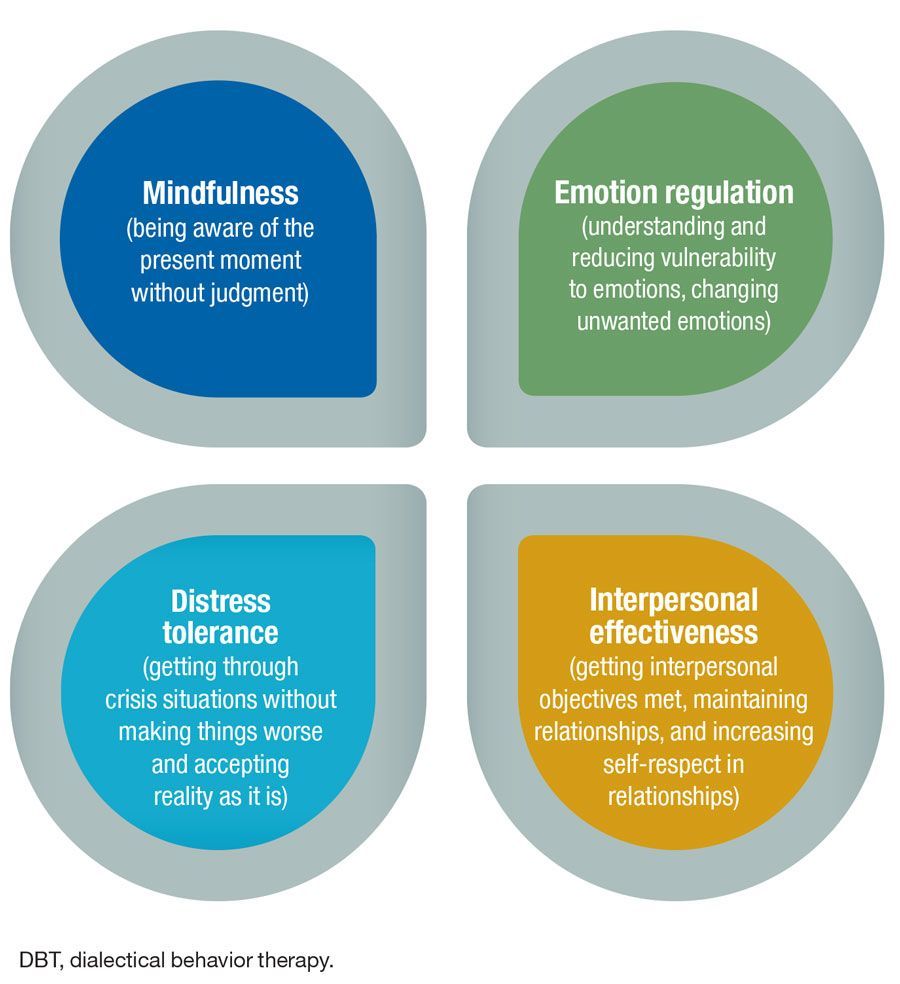
Discover what to expect from Wise-Mind DBT Brisbane’s 13-week skills group, covering mindfulness, emotion regulation, distress tolerance and relationships.